
Our Services Relief,
movement & wellbeing
Discover personalised non-medical acupuncture and bodywork to help ease discomfort, release tension and support everyday wellbeing.

Portuguese
Sobre o LuxVital
français
À propos de luxvital
Deutsch
Über LuxVital
English
Service Introduction of LuxVital
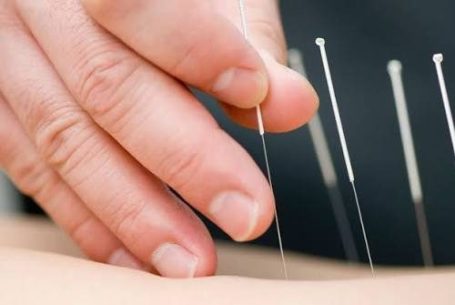
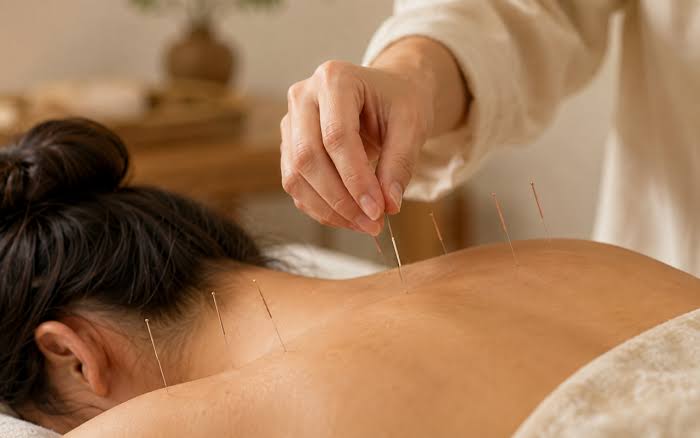
Acupuncture Needles
China’s current national standard for acupuncture needles is GB 2024-2016, Acupuncture Needles.
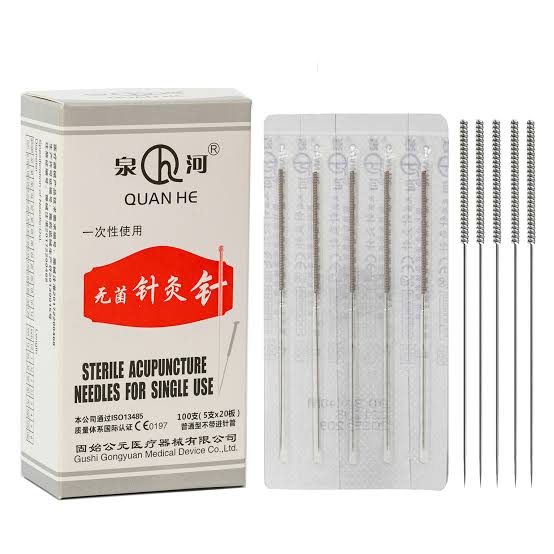
To support safety, hygiene and precise treatment, modern clinical practice commonly uses sterile, individually packaged, single-use metal needles:
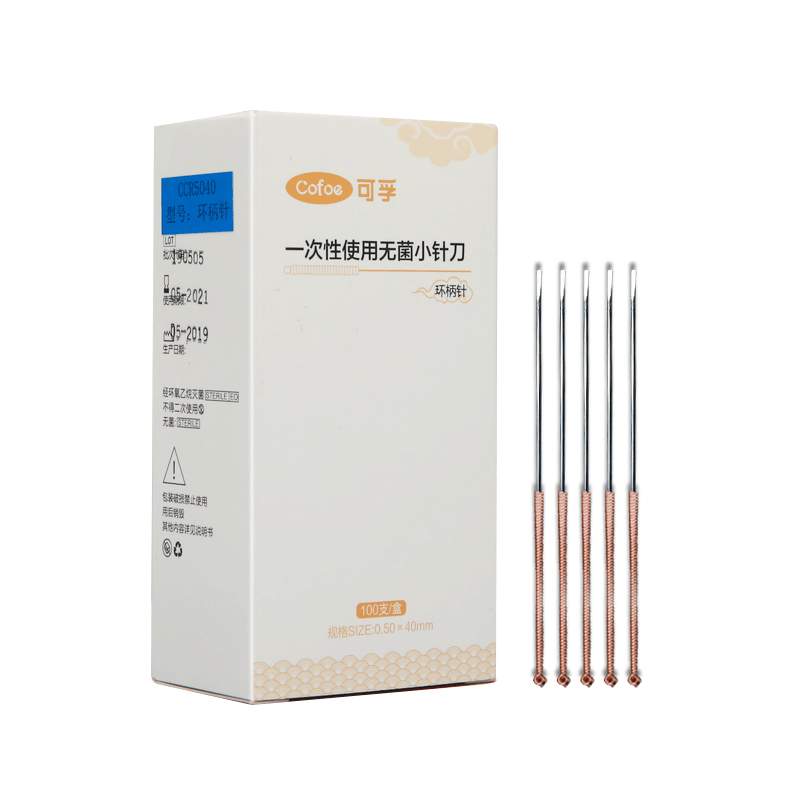
Filiform Needles — The Most Common Type
Material: Usually stainless steel, valued for its strength, flexibility, corrosion resistance and heat resistance. Gold, silver or copper needles are used less commonly.
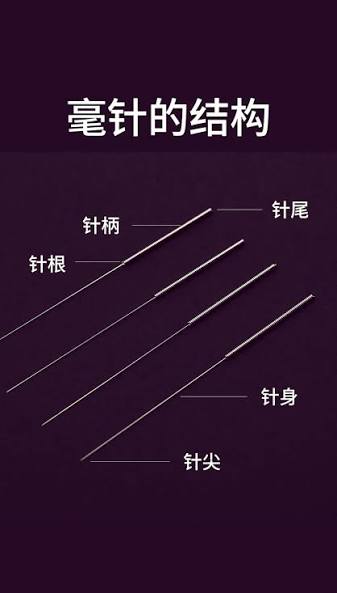
Structure: A needle tip, shaft, handle—often made from coiled wire—and a handle end. Some needles come with a separate insertion guide tube.
Use: Routine acupuncture at points throughout the body.
Dimensions: Expressed as shaft diameter × shaft length, in millimetres, for example: Ø0.30 mm × 40 mm.
Length: Typically ranges from 7 to 150 mm. Common traditional size labels correspond approximately to 0.5 cun (15 mm), 1 cun (25 mm), 1.5 cun (40 mm), 2 cun (50 mm) and 3 cun (75 mm). These are nominal needle sizes, rather than anatomical cun measurements.
Handle types: Include flat, loop, patterned, plastic and metal tube handles.
Usage categories: Sterile single-use needles, with or without insertion guide tubes, and reusable needles.
Acupotomy Needles / Needle Knives
Acupuncture needles: Have fine, pointed tips designed for stimulation rather than surgical cutting. In traditional Chinese medicine, they are used to stimulate acupuncture points and regulate the flow of qi and blood.
Acupotomy needles: Resemble acupuncture needles but have a small blade at the tip, combining needling with tissue cutting and release.
Clinical use: Used in minimally invasive soft-tissue release procedures for selected musculoskeletal conditions, including chronic soft-tissue injuries, persistent pain and adhesions.
Classification: Described in the supplied text as Class II medical devices in China.
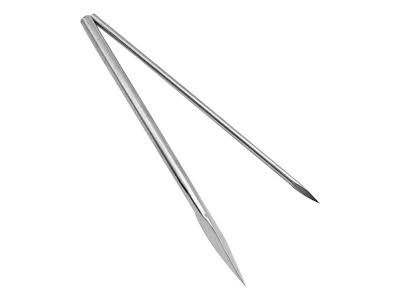
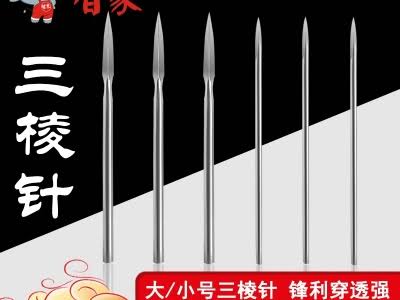
Three-Edged Needles
Features: A sharp tip with three cutting edges.
Traditional use: Pricking techniques that draw small amounts of blood, traditionally intended to clear heat, reduce swelling and relieve pain.
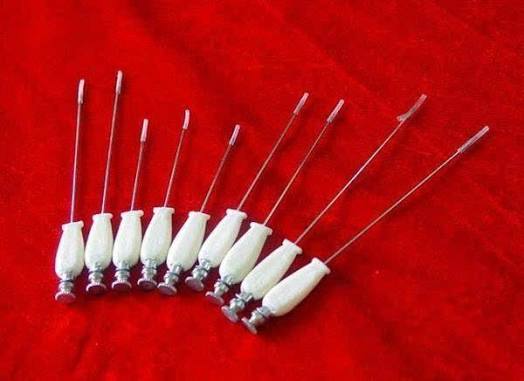
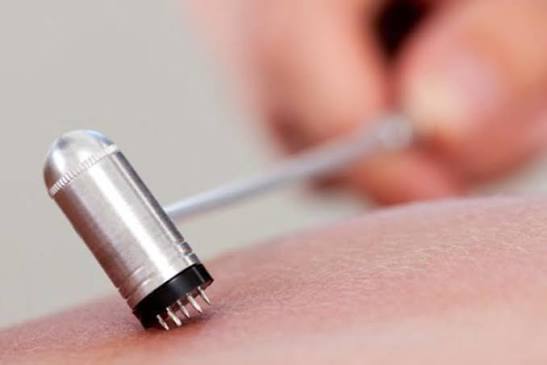
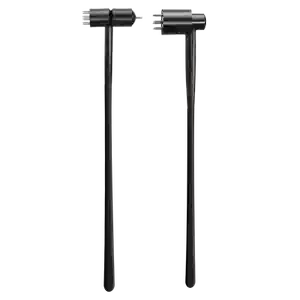
Plum-Blossom Needles / Cutaneous Needles
Features: Five to seven—or more—short needle points arranged at the end of a handle, resembling a blossom or a small hammer.
Traditional use: Light tapping of the skin for superficial stimulation, traditionally used for conditions such as neurasthenia, skin disorders and headaches.
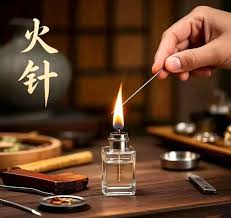
Fire Needles
Features: Specially designed, relatively thick needles whose tips are heated before use.
Traditional use: Warming the meridians and dispelling cold and dampness, traditionally used for persistent painful obstruction syndromes, cold-related pain and certain skin growths.
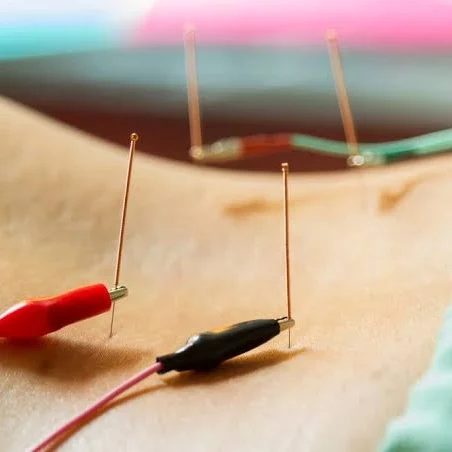
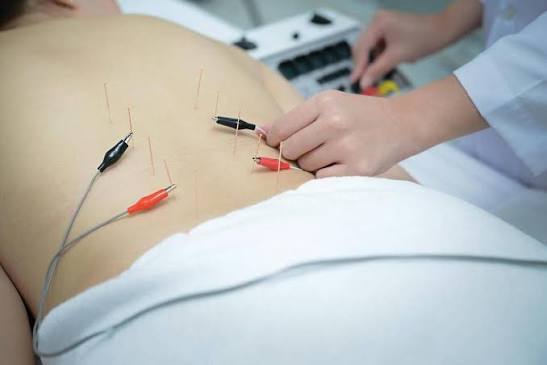
Electroacupuncture
Features: An acupuncture technique in which inserted filiform needles are connected to a device that delivers a low-frequency pulsed electrical current.
Use: Provides additional stimulation to nerves and muscles and is used in some treatment programmes for stroke rehabilitation and persistent pain.
Cupping Therapy
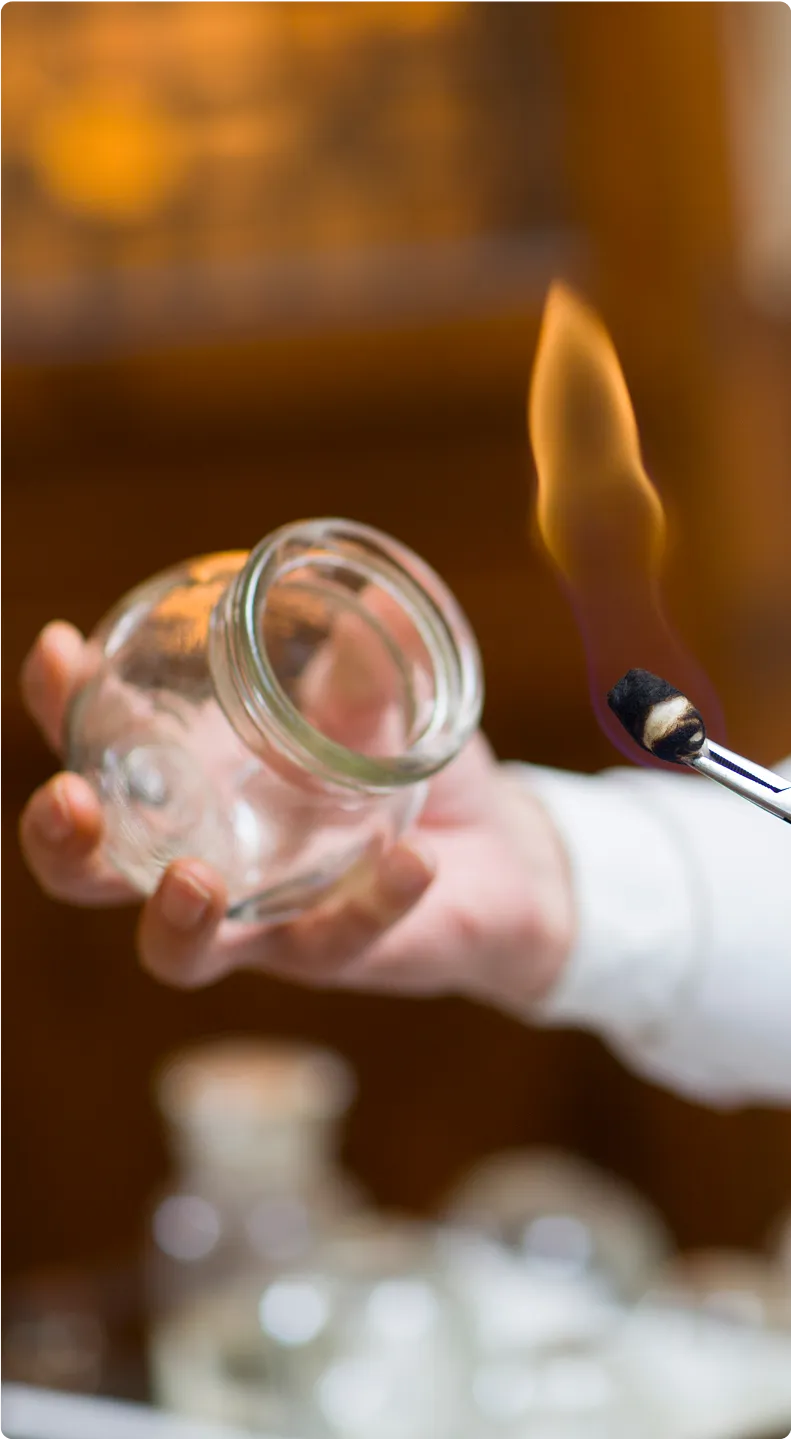
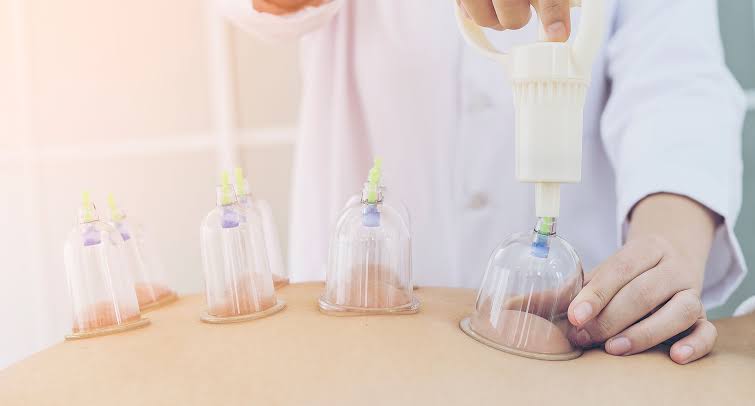
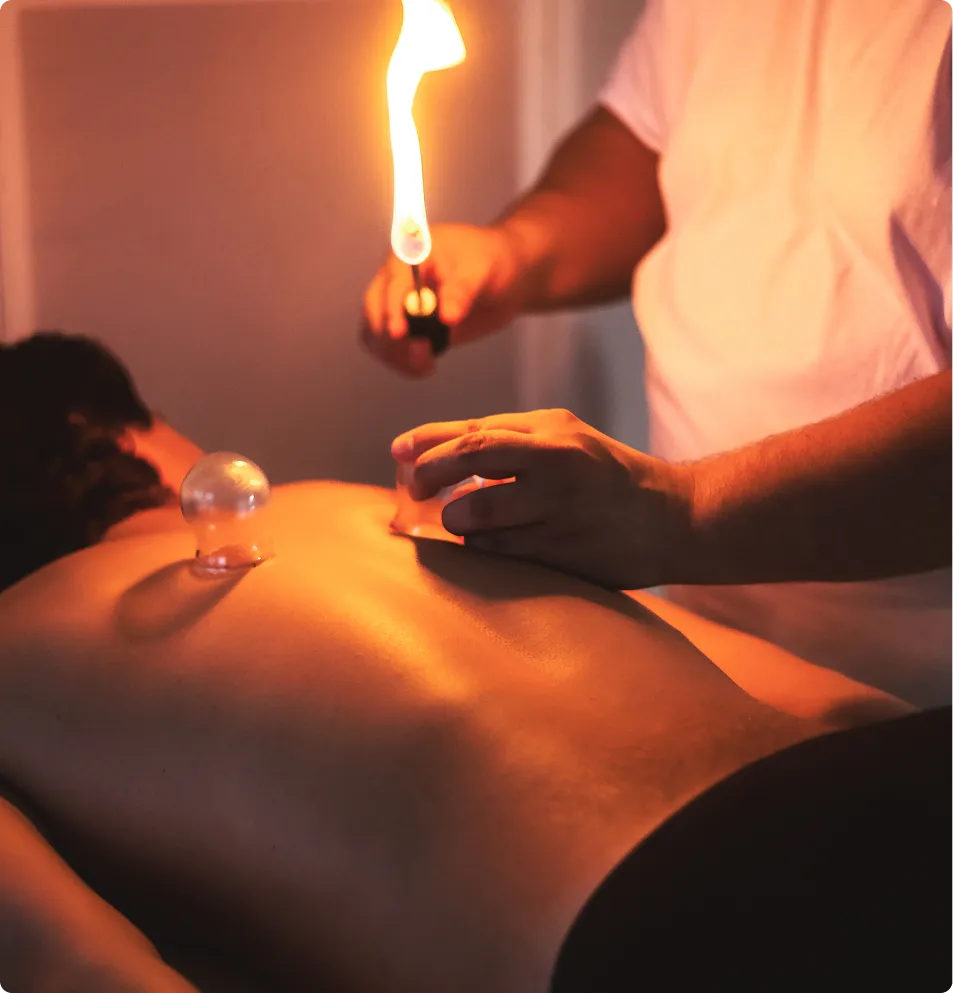
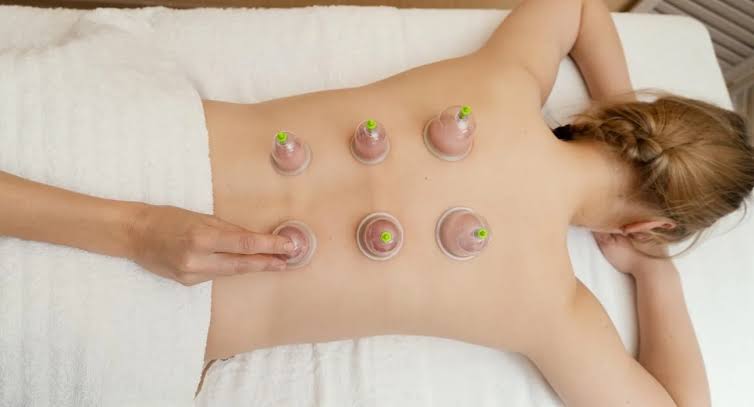
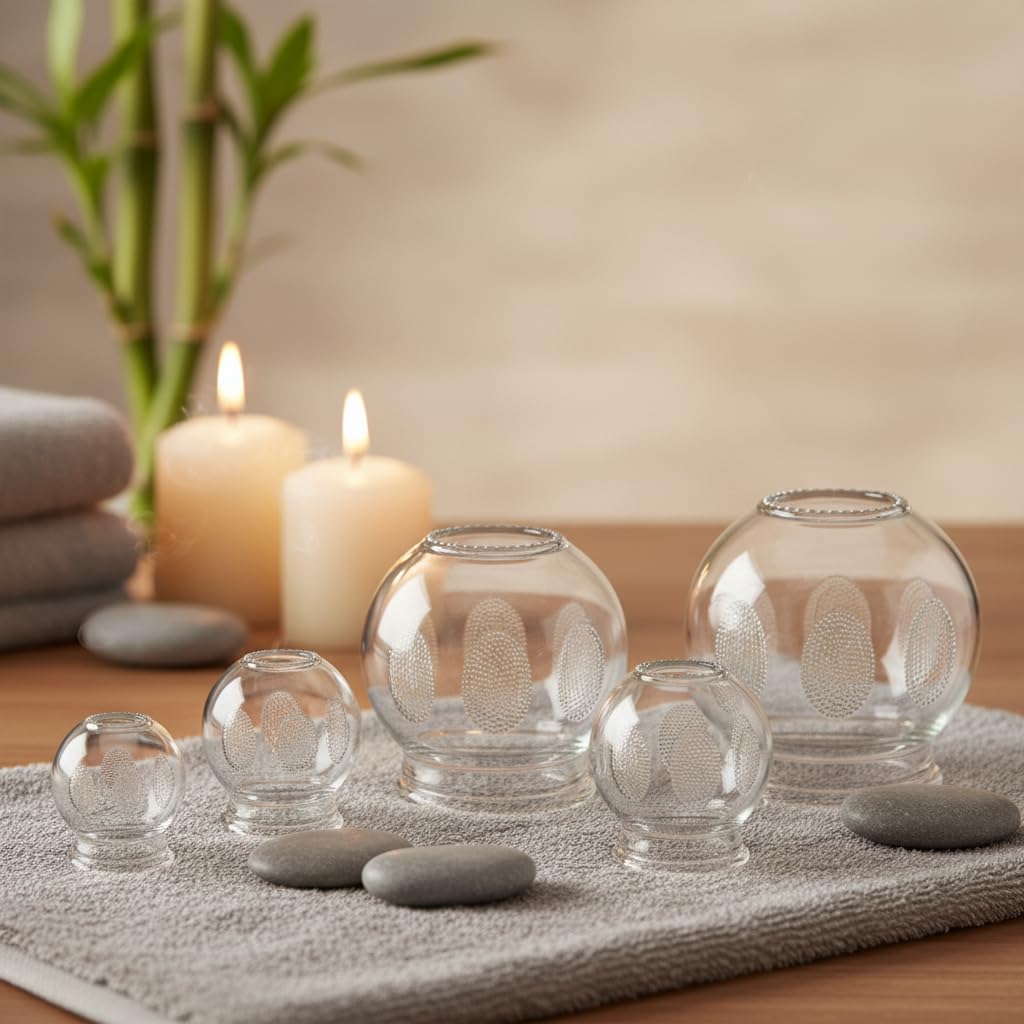
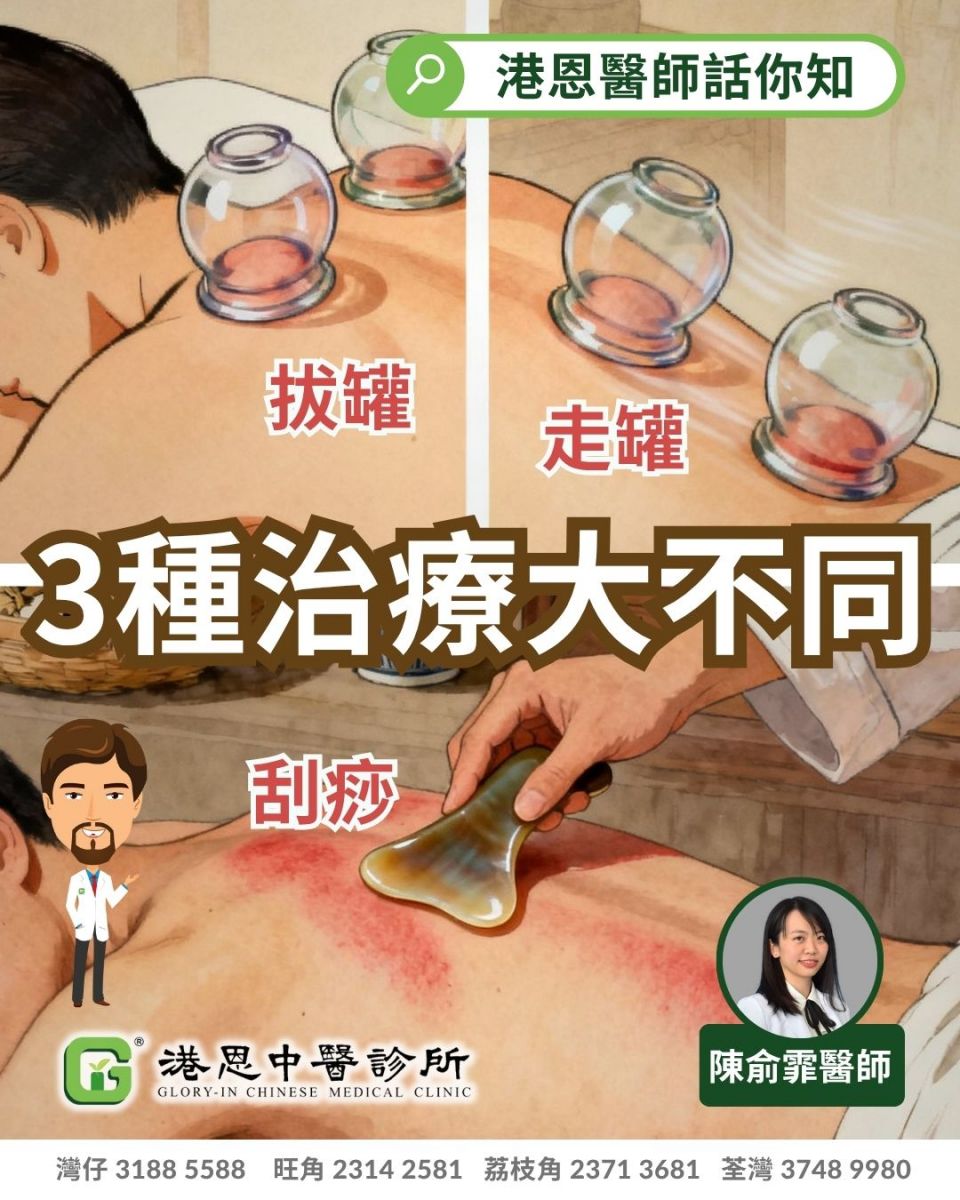
Cupping therapy is a traditional external treatment in Chinese medicine. Heating, pumping out air or compressing the cup creates negative pressure (suction) inside it. This holds the cup against the skin, causing local congestion or bruising.
Because blood may accumulate beneath the skin outside the blood vessels, cupping is sometimes described as a form of bloodletting without breaking the skin. This practice is particularly widespread in Asia.
Principles and Intended Effects
- Mechanism: Negative pressure pulls on the skin, muscles and underlying tissues, with the aim of promoting the dilation of small local blood vessels, blood circulation and metabolism.
- Intended effects according to traditional Chinese medicine:
- Unblocking the meridians and promoting the flow of Qi and blood: Relieving muscle stiffness and deeper tension associated with overuse.
- Dispelling wind, cold and dampness: Traditionally used for pain in the shoulders, neck, lower back, legs and joints, and during the early stages of a common cold.
- Reducing swelling and relieving pain: Easing local tissue swelling and discomfort.
Common Cupping Techniques
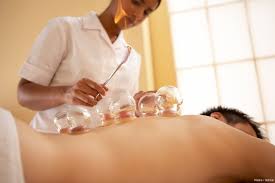
- Stationary cupping: Cups are placed over acupuncture points or painful areas and usually left in place for 10 to 15 minutes. This is the most commonly used technique for general pain complaints.
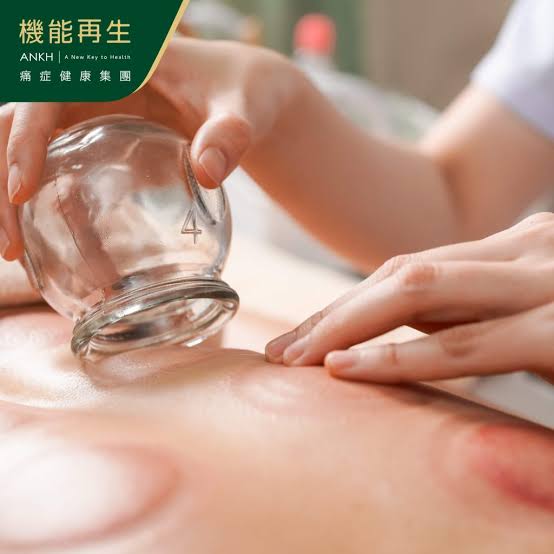
- Sliding cupping: Oil is first applied to the skin. Once suction is established, the cup is moved in different directions across larger areas, such as the back. This technique is used for widespread muscle tension.
- Flash cupping: The cup is applied briefly and removed immediately. This is repeated several times until the skin becomes red. It is used for people who are apprehensive about pain or on more sensitive areas.
- Wet cupping: The skin is first lightly punctured with a needle to produce a small amount of bleeding. A cup is then applied to draw out locally accumulated blood. This is an invasive technique and must be performed by an appropriately registered Chinese medicine practitioner in accordance with applicable regulations.
Cupping Marks and Traditional Interpretation
The colour of cupping marks does not indicate “how many toxins have been removed”. In traditional Chinese medicine, it is interpreted in relation to the local condition of Qi and blood:
- Bright red or dark red: Associated with internal heat, Yin deficiency with excessive heat, or damp-heat.
- Dark purple or purplish-black: Associated with pronounced cold and dampness, or stagnation of Qi and blood.
- Pale, greyish-white or little visible colour change: If the area feels cool to the touch, this is traditionally associated with Qi and blood deficiency, or a deficiency-cold pattern.
- Blistering: Traditionally attributed to pronounced dampness or an excessively long application time.
Aftercare
- Showering: It is recommended to wait 2 to 4 hours before showering with lukewarm water. The recommendation to avoid cold water is based on the traditional belief that cold could enter through dilated skin pores.
- Keeping warm and staying hydrated: Keep warm, avoid direct airflow from air conditioning, and drink a glass of warm water to support metabolism.
- Blisters: Allow small blisters to heal naturally and do not puncture them. For larger blisters, consult a healthcare professional so they can be treated under sterile conditions.
Chiropractic & Traditional Chinese Bone-Setting
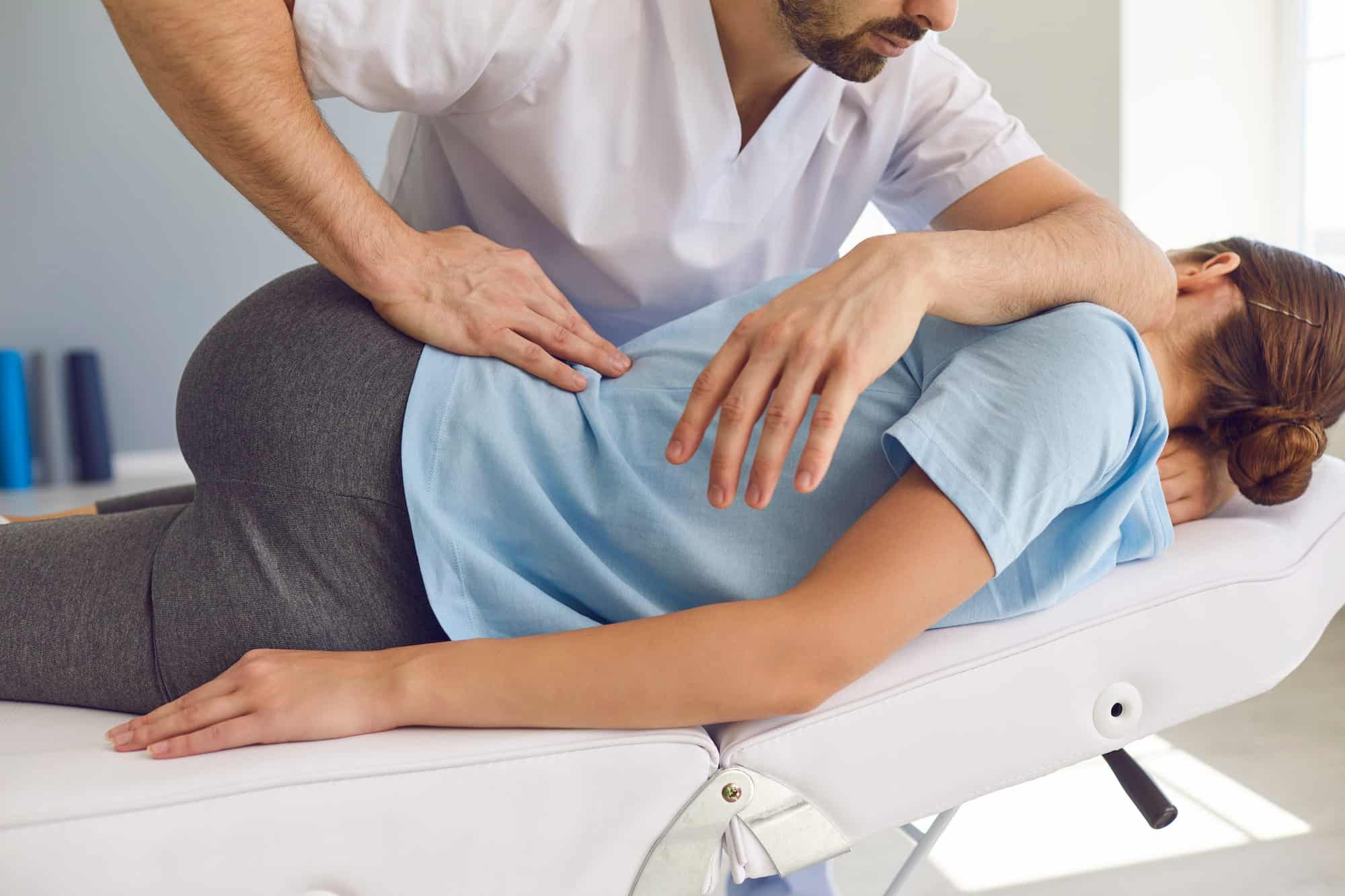
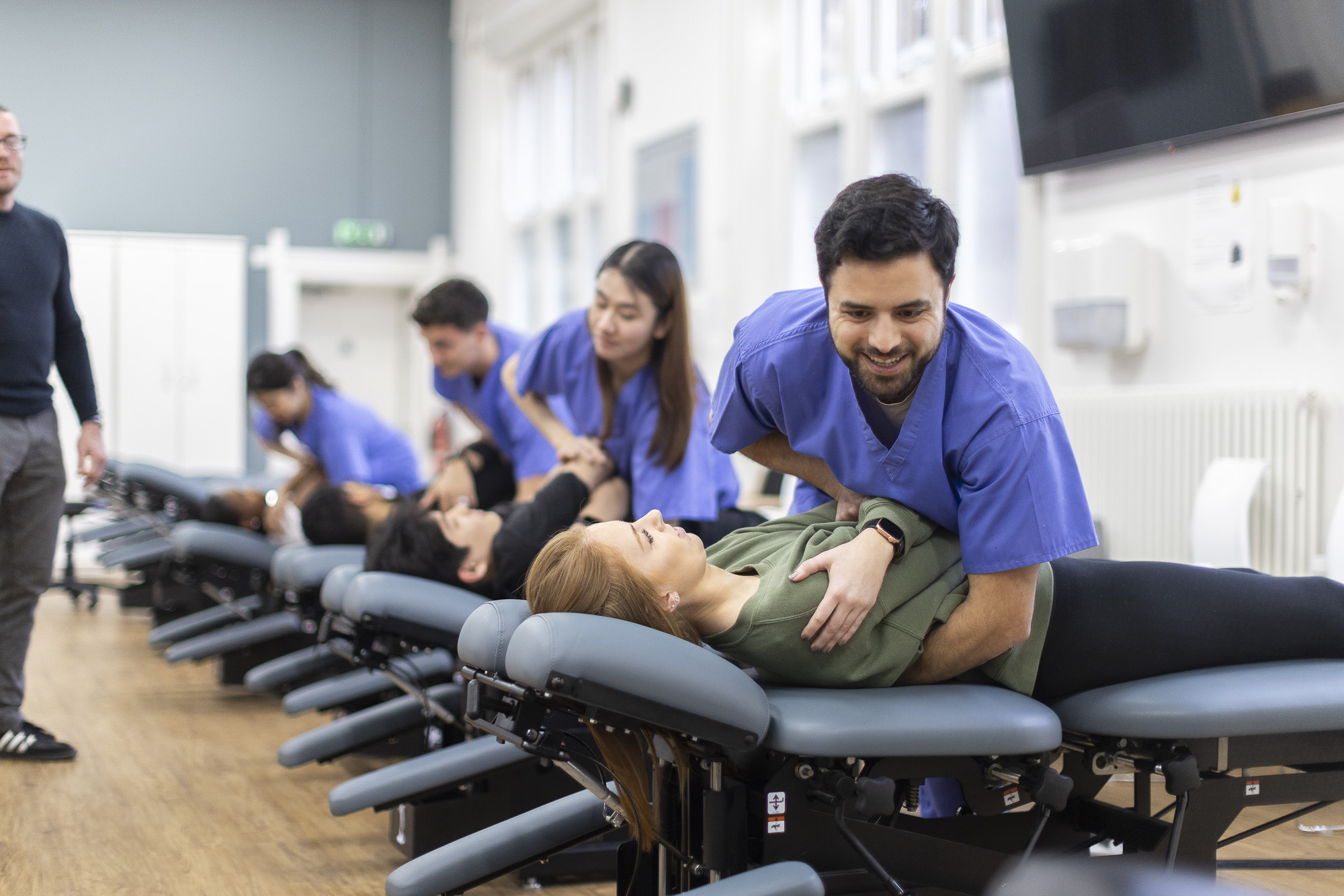
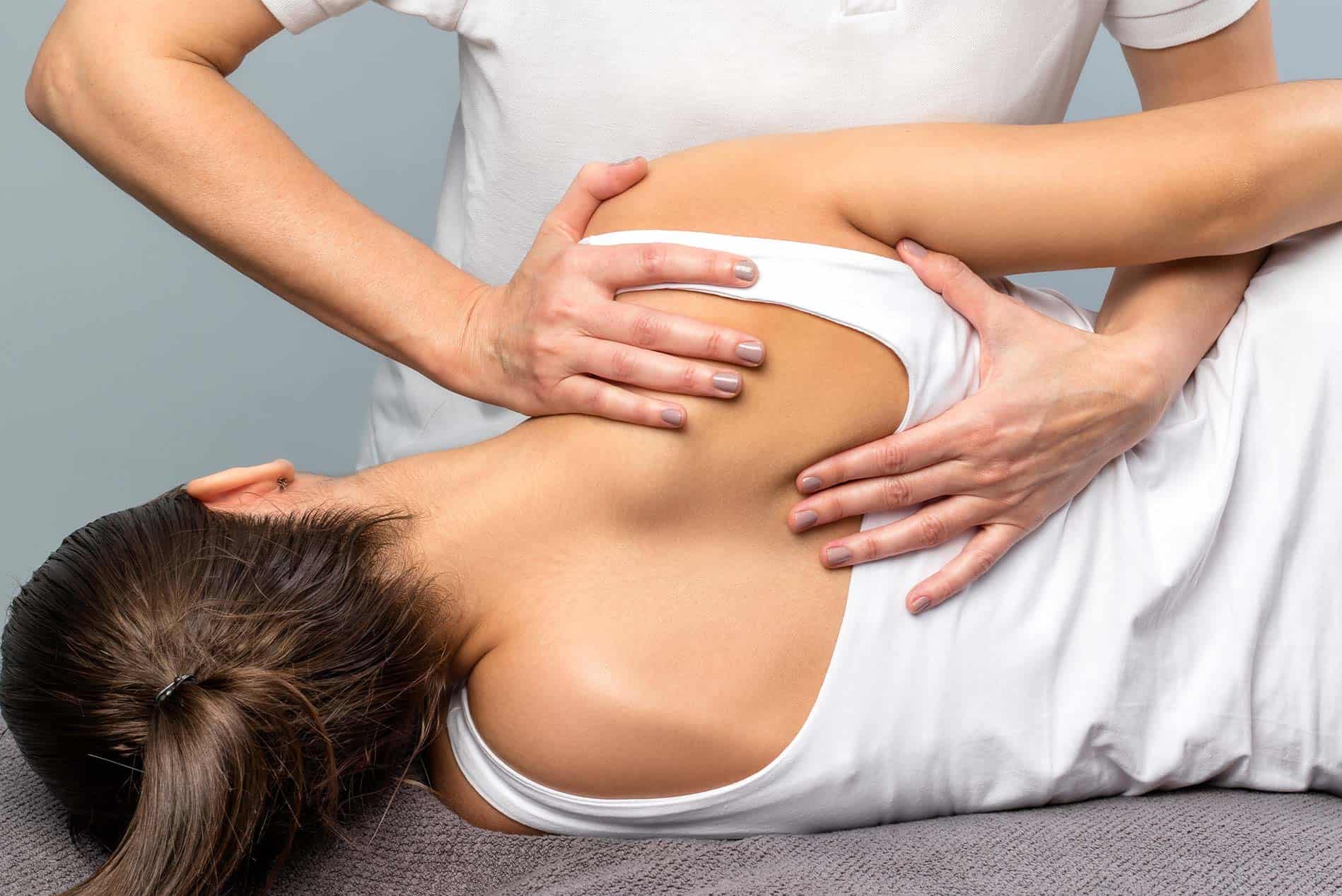
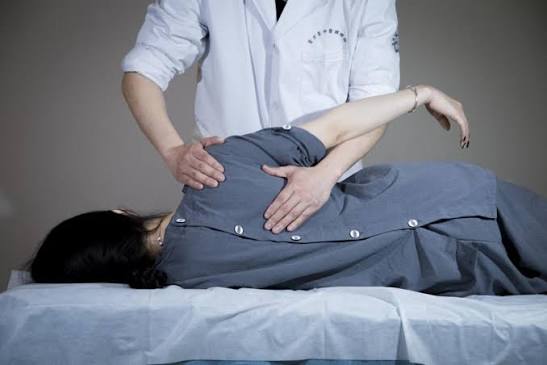
Chiropractic is a licensed health care profession that emphasizes the body’s ability to heal itself. Treatment typically involves manual therapy, often including spinal manipulation. Other forms of treatment, such as exercise and nutritional counseling, may be used as well.
National survey data show that 11.0 percent of U.S. adults used chiropractic care in 2022. Of the adults who used chiropractic care, 85.7 percent used it for pain management. Data from 2017 show that 3.4 percent of children age 4 to 17 used chiropractic care during that year.
Traditional Chinese Bone-Setting
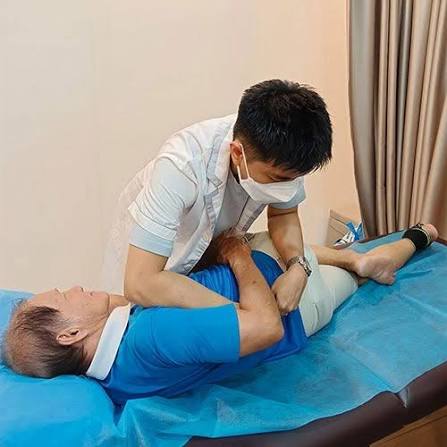
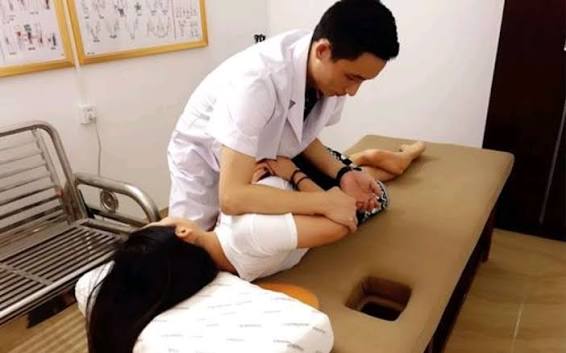
Traditional Chinese bone-setting is a hands-on therapy within Chinese medicine that addresses problems involving bones, joints and soft tissues. Its origins are traditionally traced back more than 3,000 years. It shares some manual techniques with chiropractic, although the two have distinct theoretical foundations and histories.
Key Principles and Methods:
Traditional Theory: The concepts of “bones out of alignment” and “tendons out of their grooves” describe a traditional understanding of pain and impaired movement, rather than a confirmed anatomical explanation for every condition.
Eight Classical Techniques: Described in the Qing-dynasty medical text The Golden Mirror of Medicine, these include palpation, joining, supporting, lifting, pressing, rubbing, pushing and grasping. Palpation is considered the essential first step.
Combined Care: Traditionally, bone-setting may be combined with soft-tissue massage, acupuncture, cupping, topical herbal preparations or small-splint immobilisation.
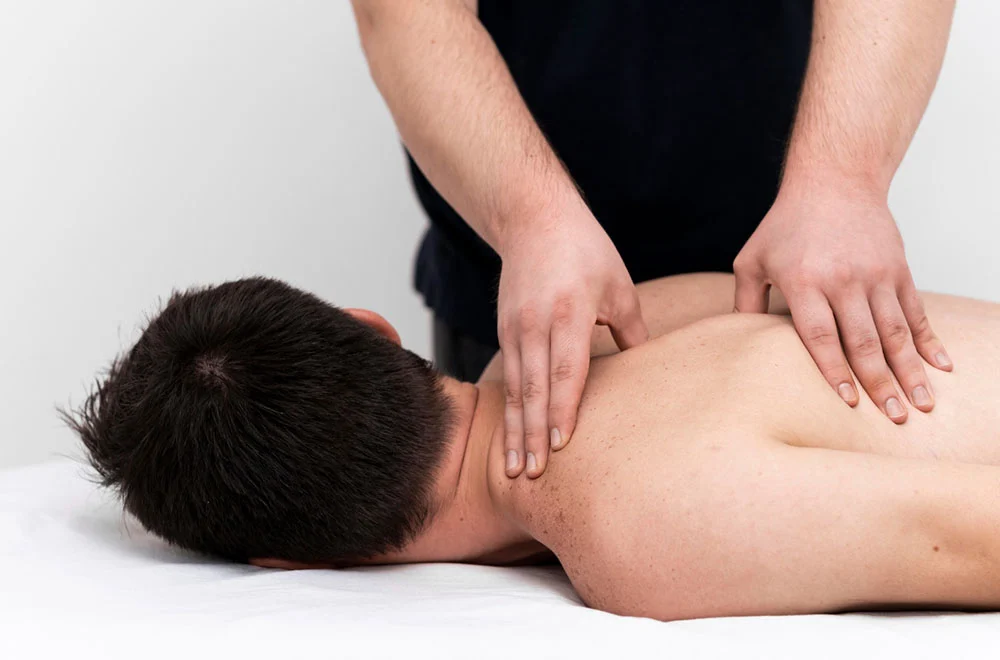
Gua Sha (Traditional Chinese Skin Scraping)
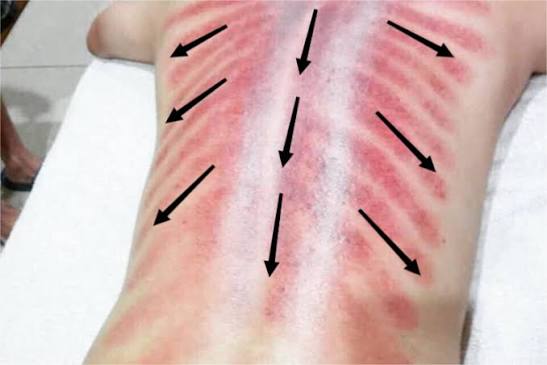
Gua sha is a traditional external therapy in Chinese medicine. A smooth-edged tool—such as a horn board, jade tool or porcelain spoon—is used with a lubricant, such as gua sha oil, to scrape selected areas of the skin in one direction. The scraping produces red or purple marks, known as “sha,” caused by bleeding from small blood vessels beneath the skin.
Traditional Principles and Uses:
In traditional Chinese medicine, gua sha is intended to promote the circulation of qi and blood, release stagnation, and clear “heat” and “dampness.” These concepts belong to the traditional medical framework.
Traditionally, gua sha has been used for muscle aches, headaches and symptoms associated with colds. Claims that it removes toxins or treats heatstroke are not established; suspected heatstroke requires urgent medical care.
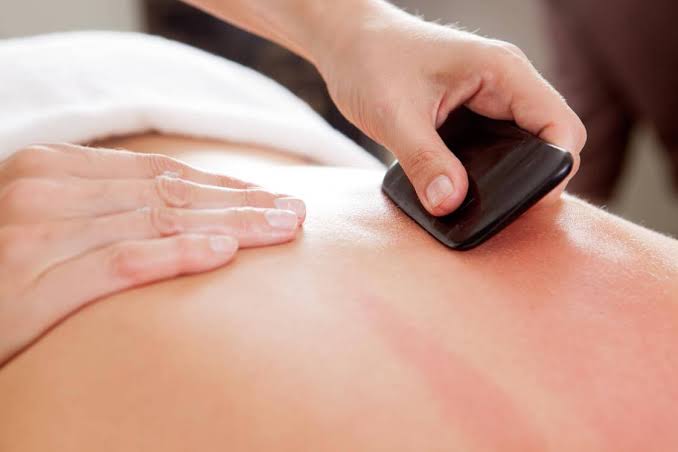
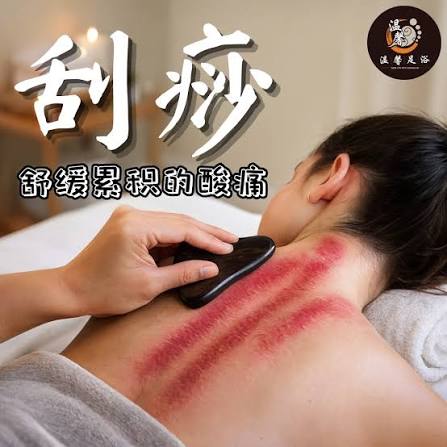
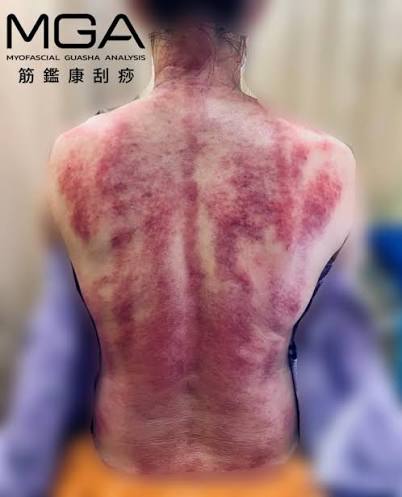
Instrument-Assisted Soft Tissue Mobilisation (IASTM)
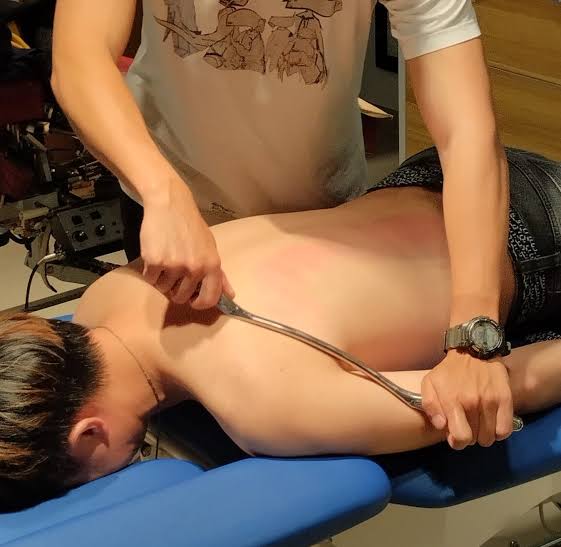
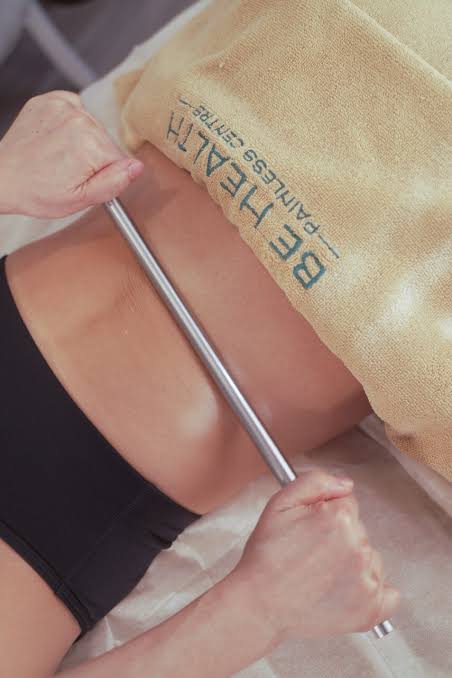
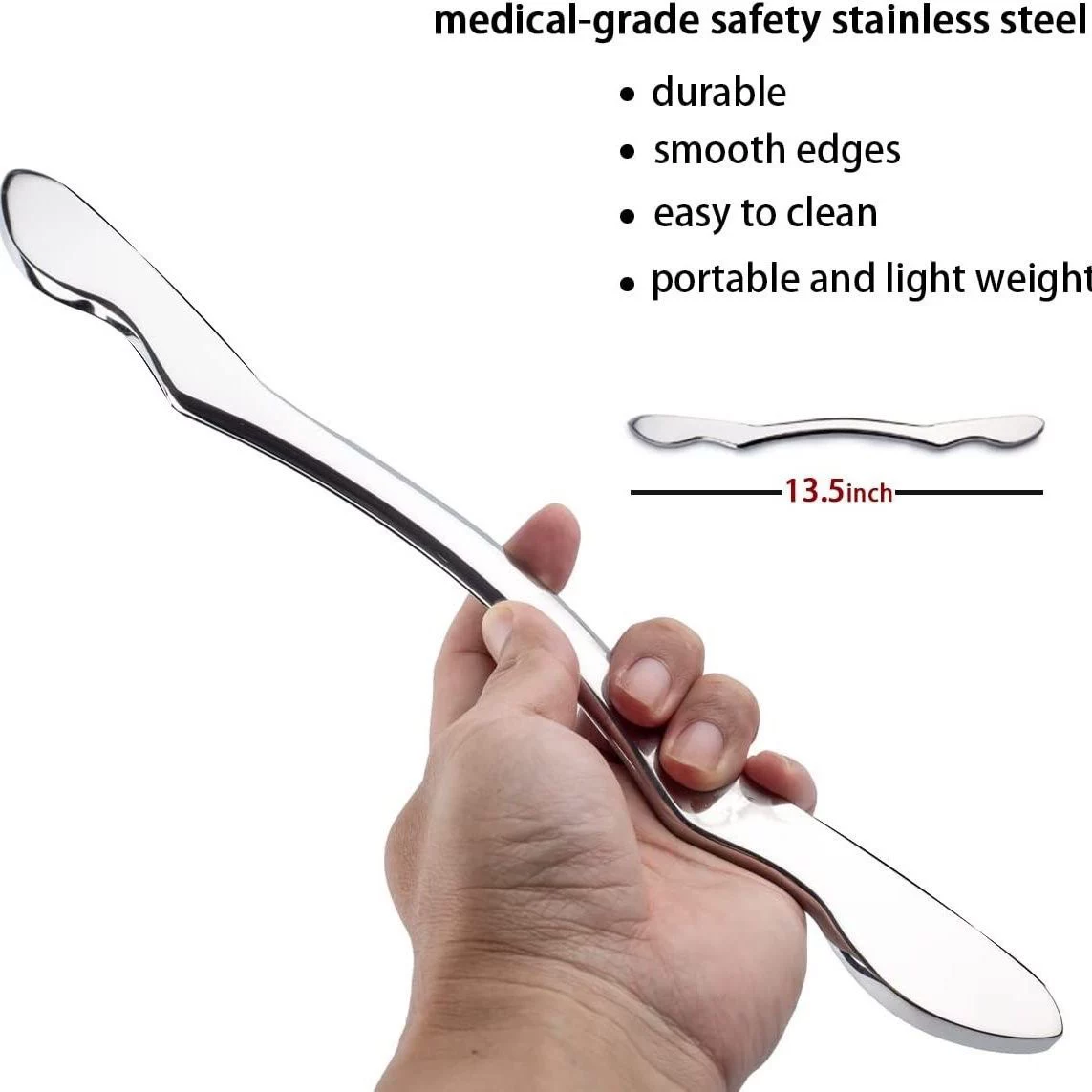
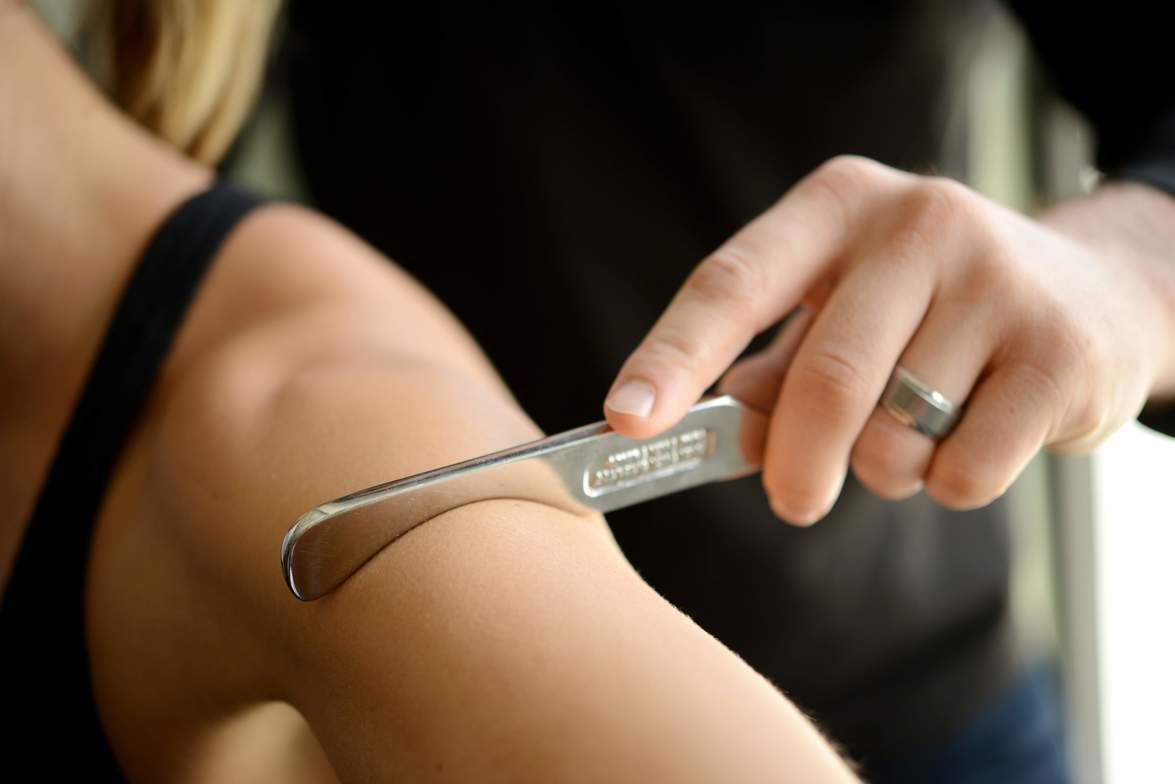
IASTM is a manual therapy technique that uses specialised, smooth-edged instruments, commonly made from medical-grade stainless steel, to apply controlled pressure and strokes to the skin and underlying soft tissues.
Treatment Aims:
Ease soft-tissue tightness: Target areas of tension in muscles and fascia to help improve comfort.
Provide mechanical stimulation: Apply controlled pressure and friction to soft tissues. Claims that this breaks down adhesions, removes metabolic waste or accelerates tissue repair should not be presented as established mechanisms.
Support mobility: Aim to improve comfortable movement, often alongside exercise and other rehabilitation approaches.
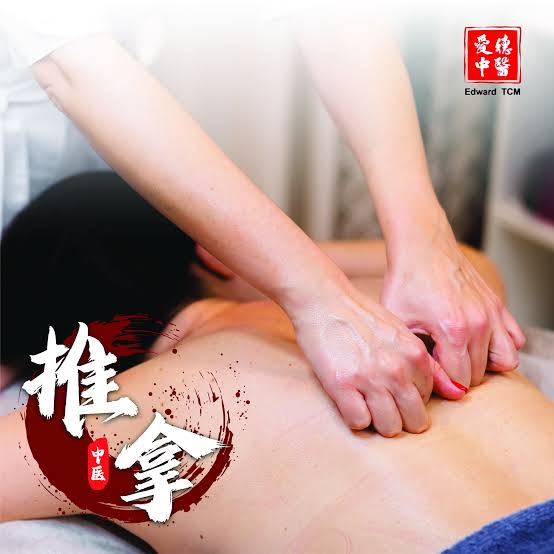
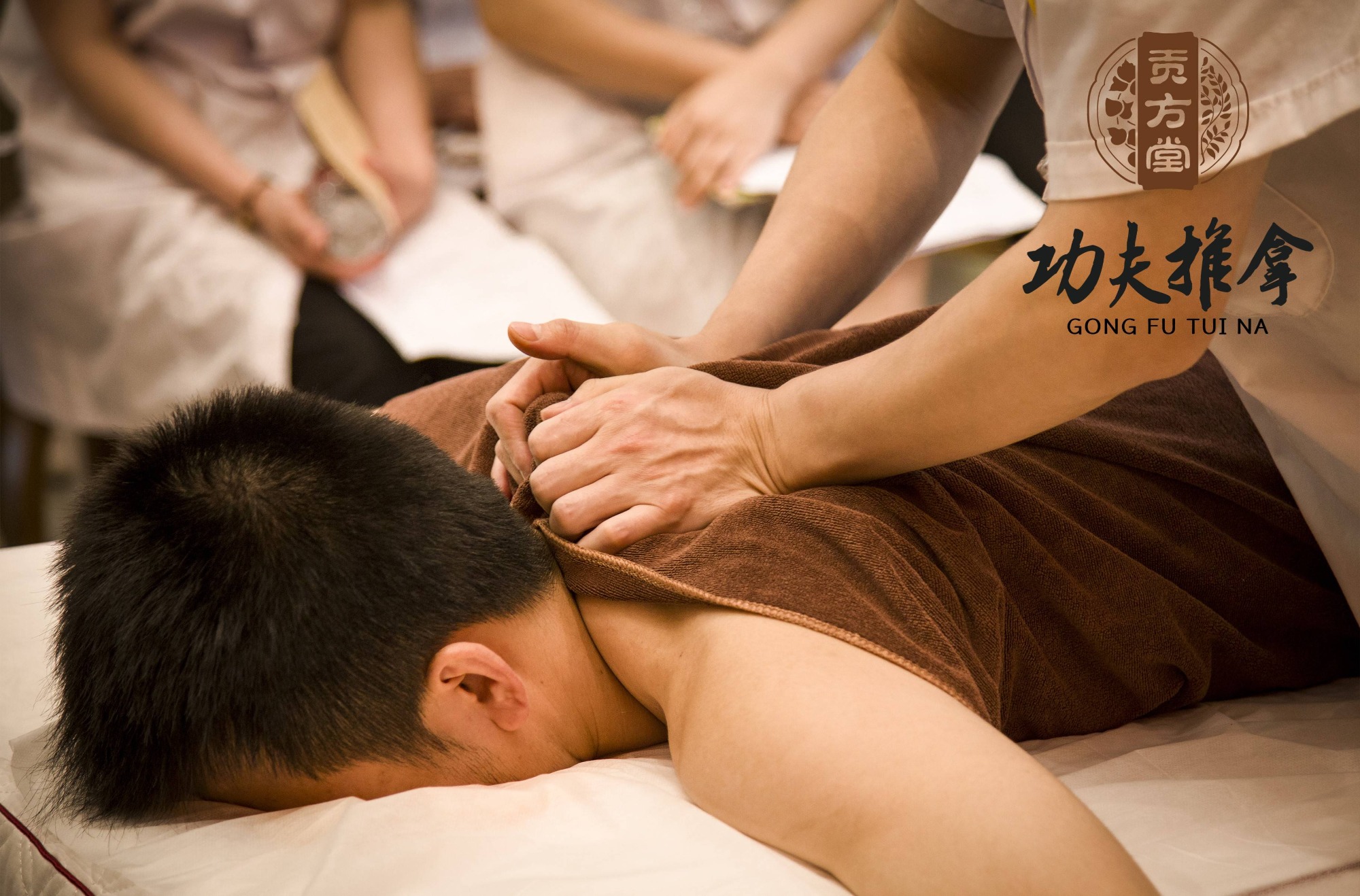
Tui Na — Traditional Chinese Therapeutic Massage
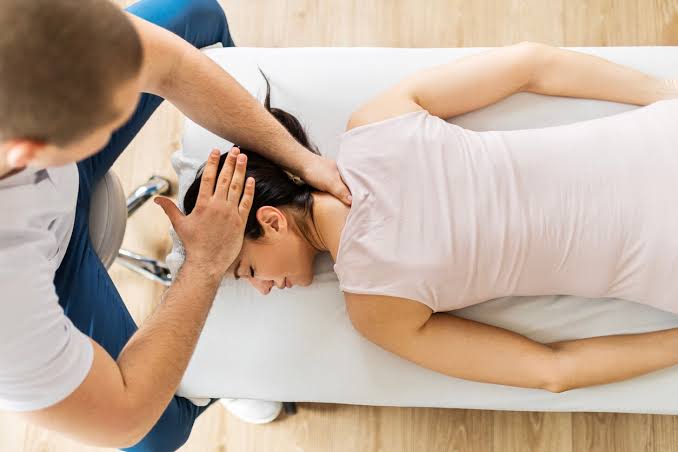
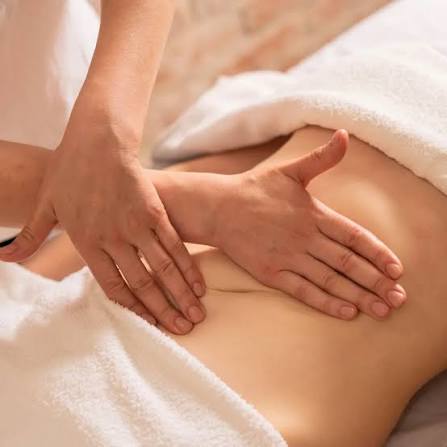
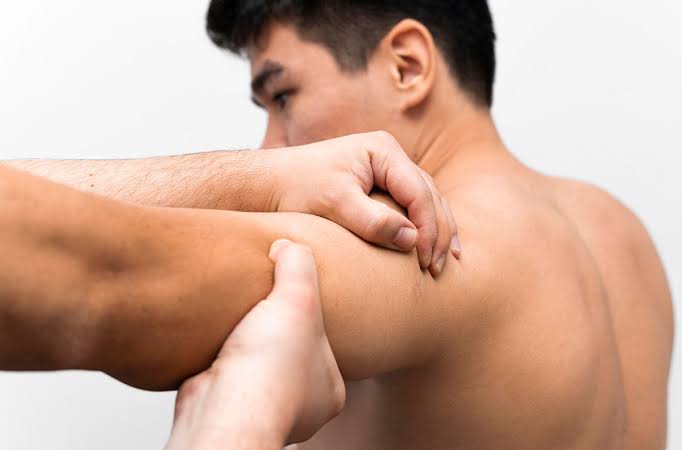
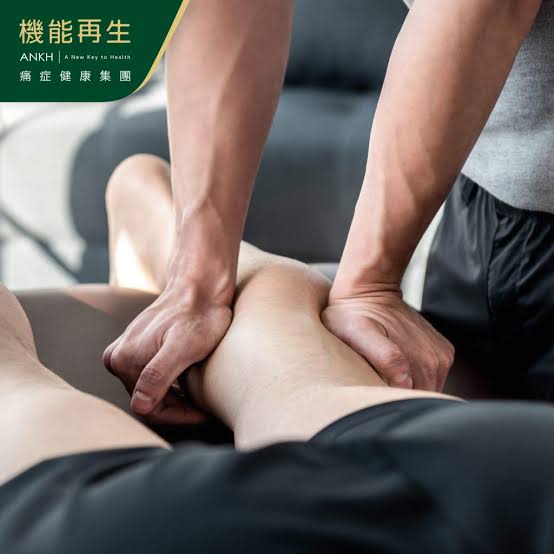
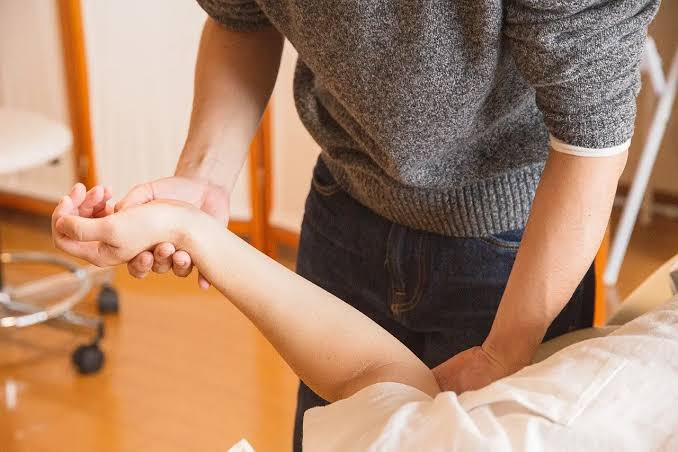
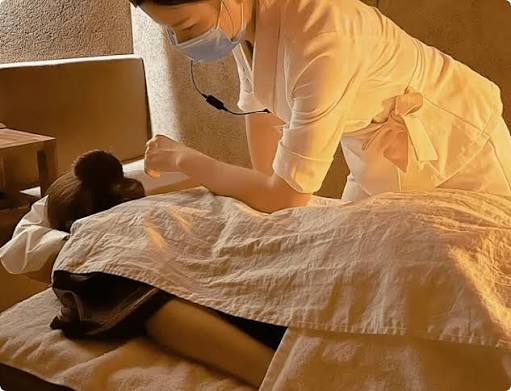
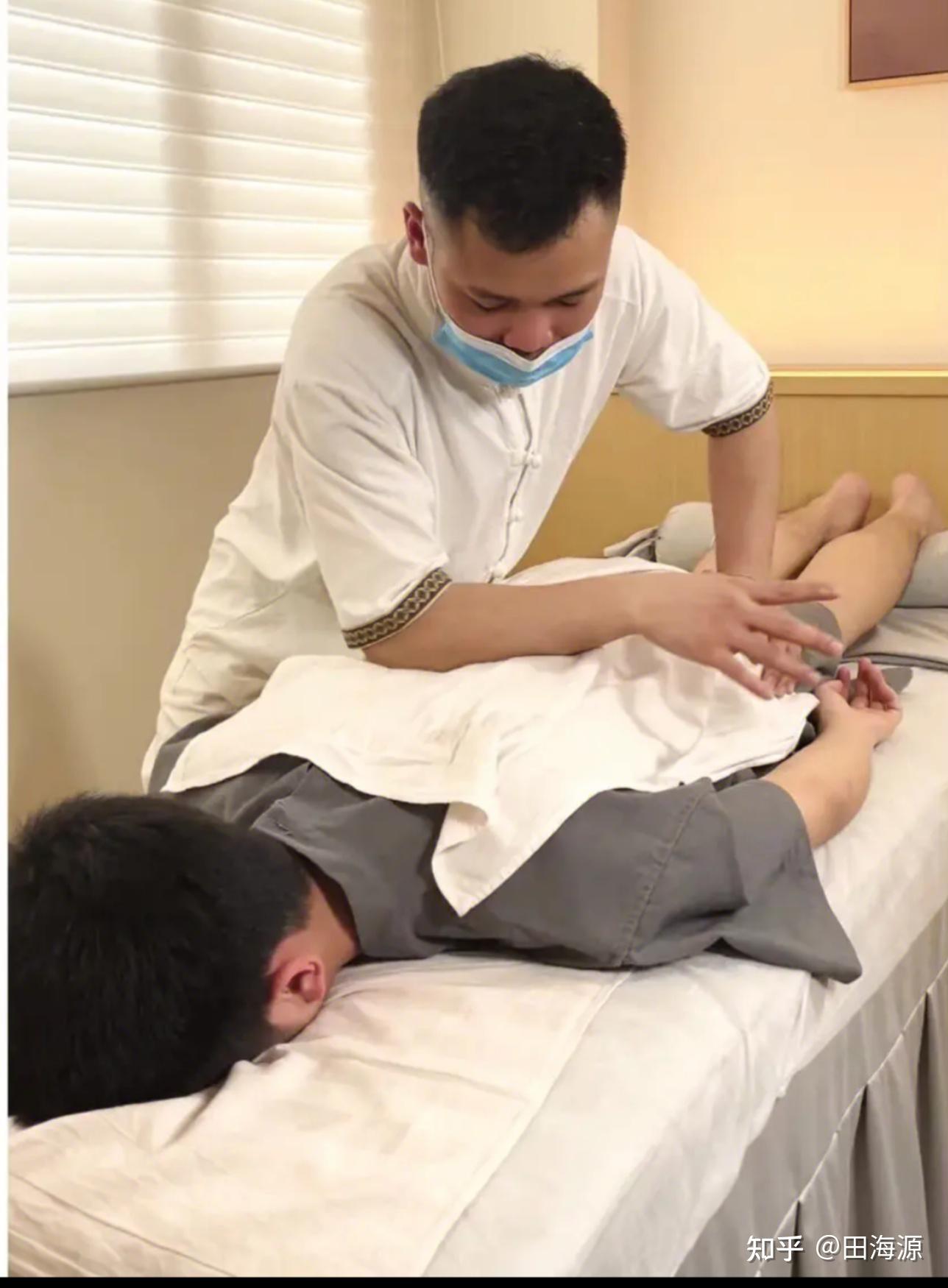
Tui na is a traditional hands-on therapy in Chinese medicine. Practitioners apply techniques such as pushing, grasping, pressing, rubbing, kneading, pinching, point pressure and tapping to selected areas of the body or acupuncture points.
Traditional Principles and Treatment Aims
Tui na considers both symptoms and traditional diagnostic patterns, with attention to muscles, tendons, bones and joints. In the traditional Chinese medical framework, it aims to promote the flow of qi and blood and restore balance.
Treatment may focus on easing muscle tension, relieving discomfort and supporting mobility. Claims that it regulates internal organ function or boosts immunity should not be presented as established benefits.
Common Approaches
Soft-Tissue Massage: Focuses on muscles and other soft tissues, often addressing everyday tension, fatigue and discomfort associated with prolonged sitting.
Joint Mobilisation and Traditional Bone-Setting: Includes techniques directed at joints and musculoskeletal problems. Suspected dislocations, fractures or acute injuries require medical assessment before treatment.
Kogao Kyousei — Japanese Facial Massage
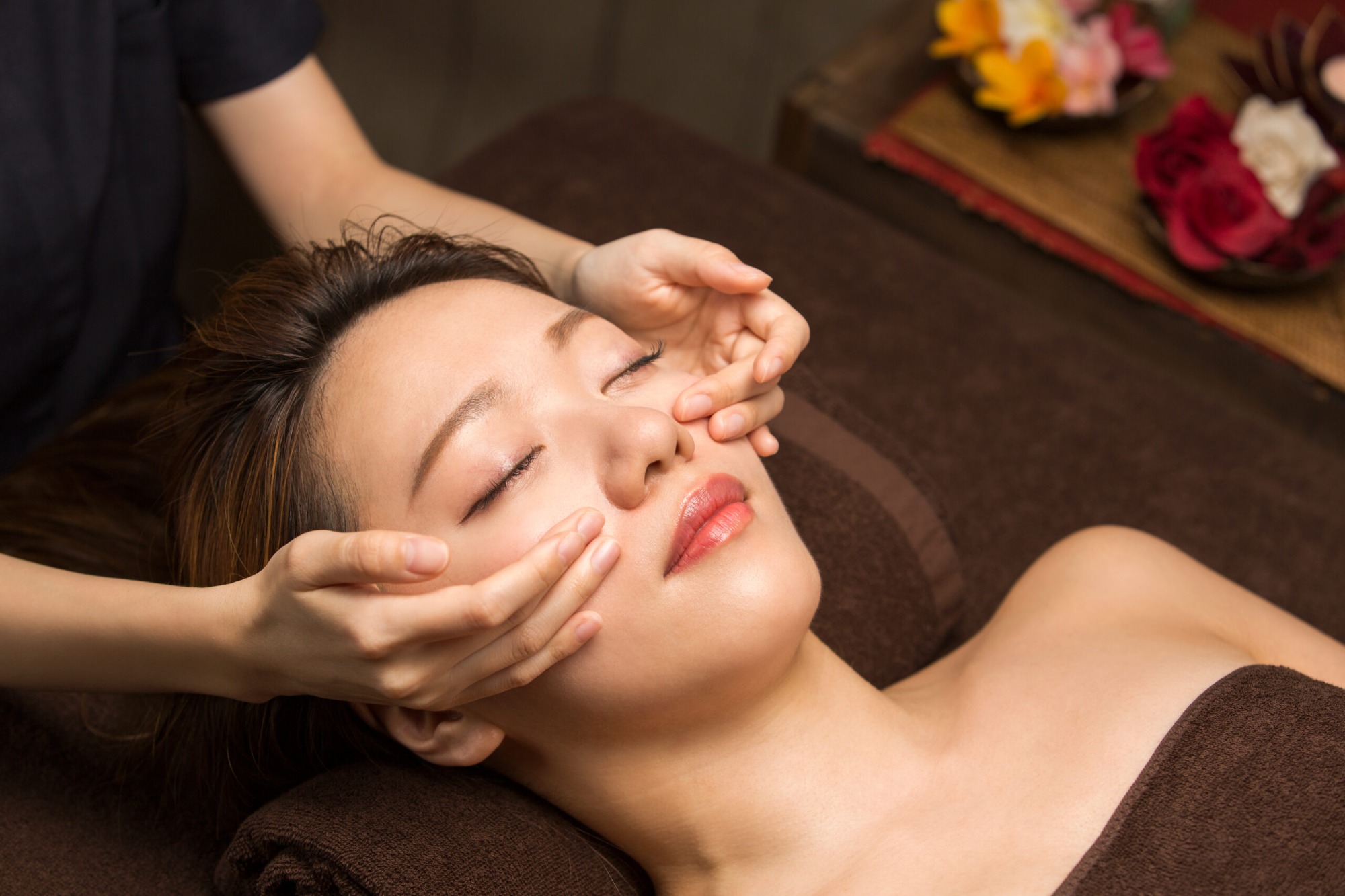
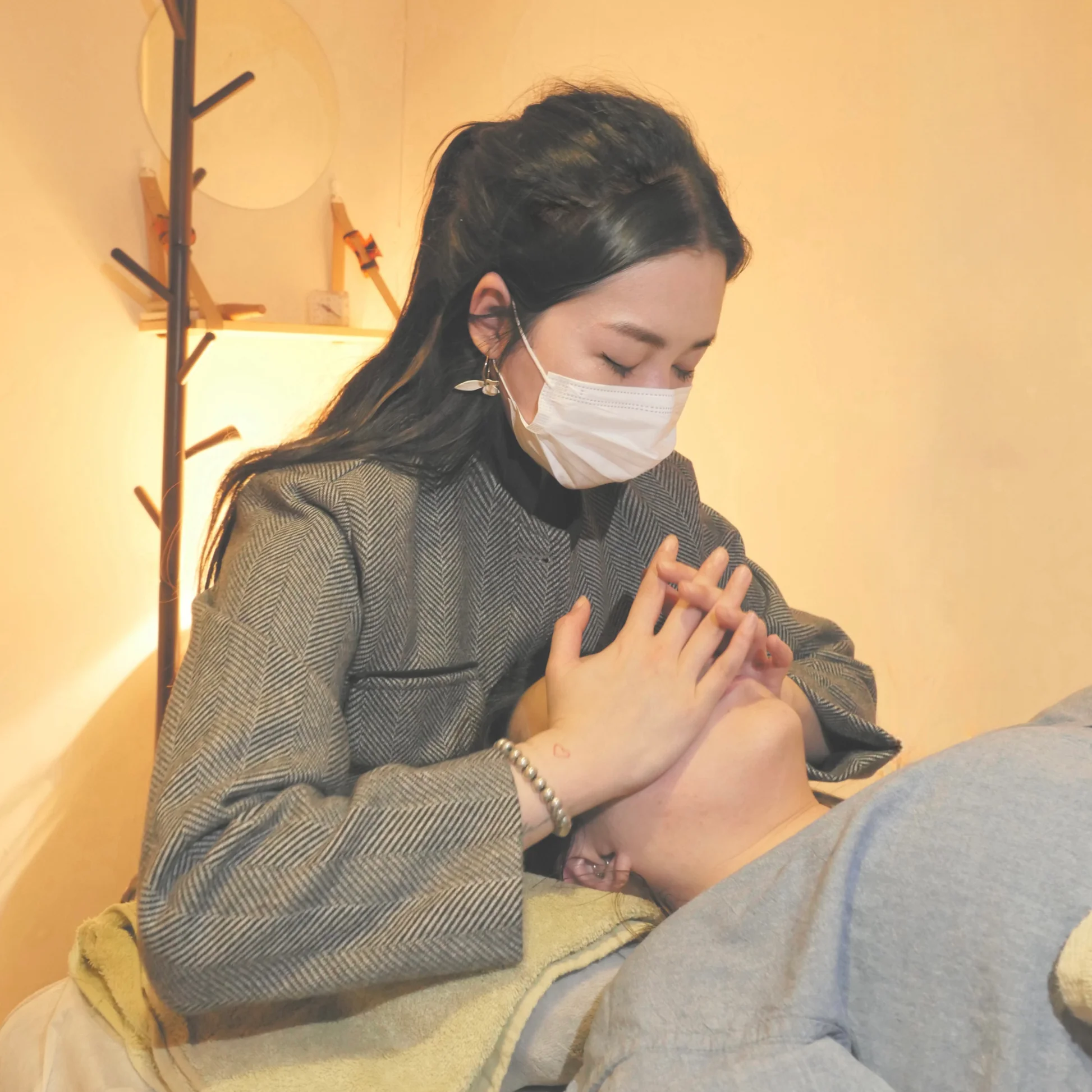
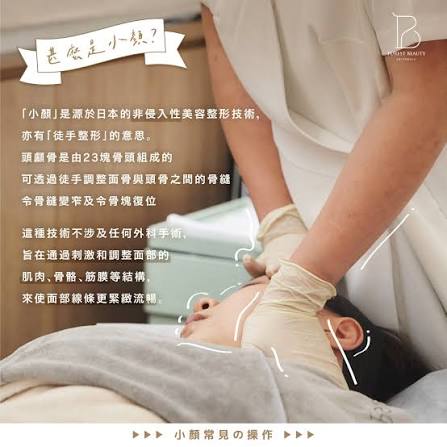
Kogao kyousei translates literally as “small-face adjustment.” It is a non-invasive, hands-on practice involving gentle massage and pressure techniques around the face, jaw and neck, intended to encourage relaxation and a refreshed appearance.
Practitioners may draw on massage, acupressure and manual therapy approaches. Claims that these techniques realign facial bones, permanently reduce facial size or correct structural asymmetry are not established.
Treatment Aims:
A Refreshed Appearance: Gentle facial massage may temporarily improve the appearance of facial contours, without permanently changing bone structure.
Reduced Puffiness: Massage may help ease temporary puffiness in some people, although results vary.
Skin Care and Comfort: Treatment offers a relaxing addition to a skincare routine. Improvements in skin tone or fine lines should not be guaranteed.
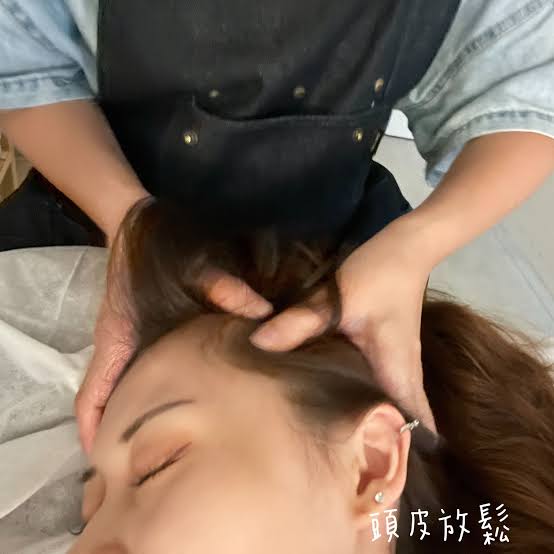
Relaxation: Gentle work around the face and neck aims to ease tension and provide a calming experience without surgery.