Providing Free Medical Care in Tibetan Communities
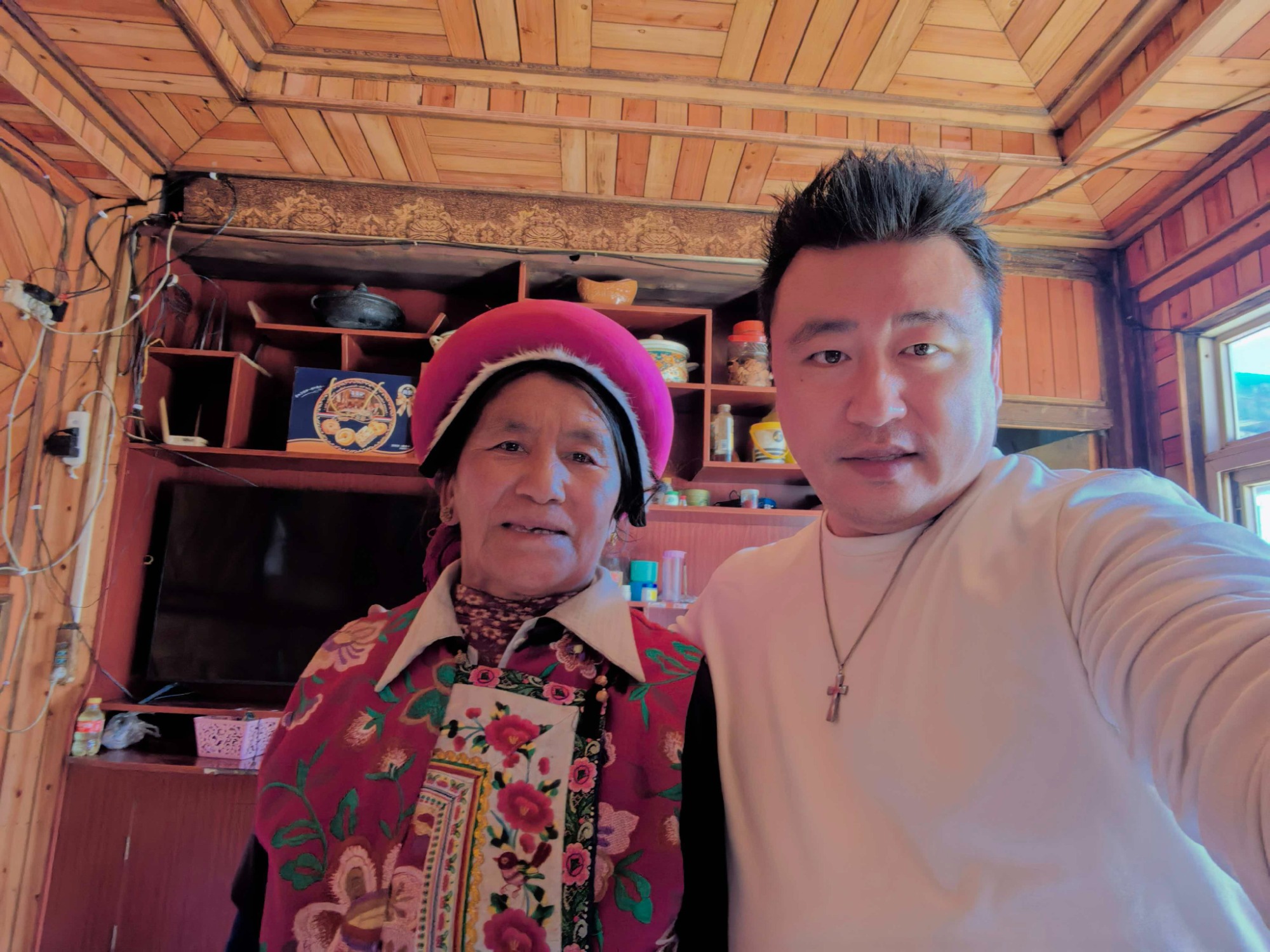
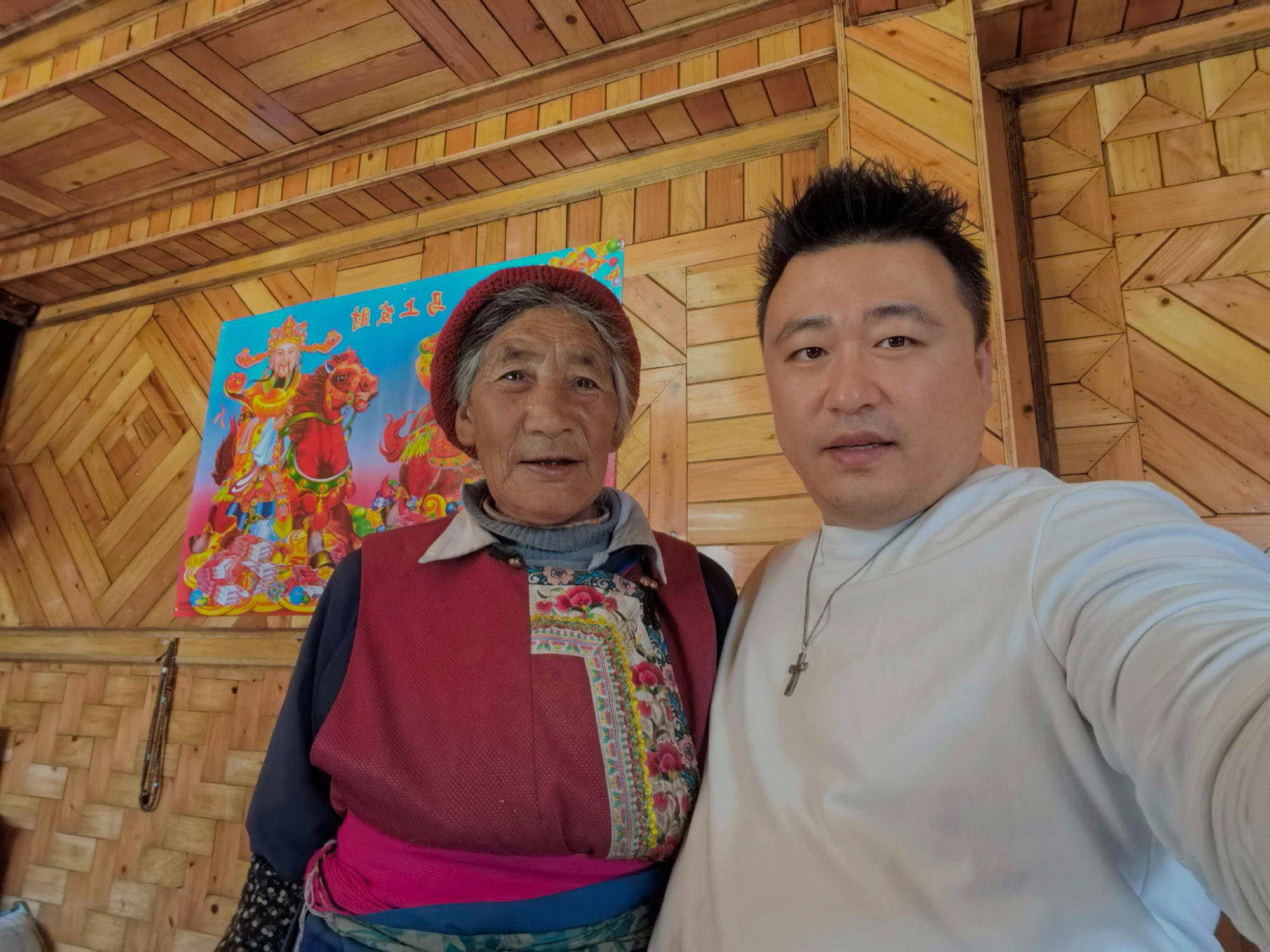
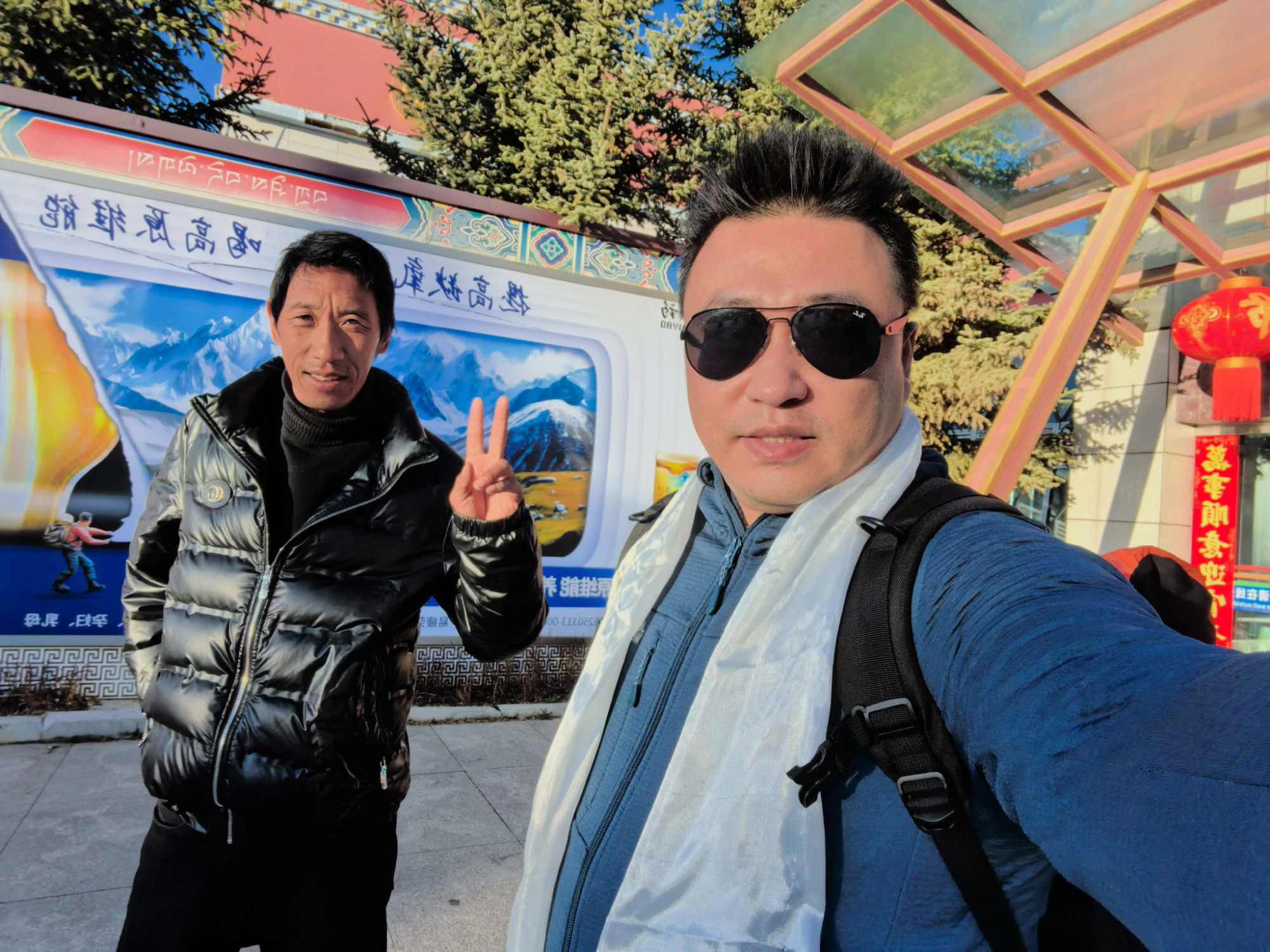
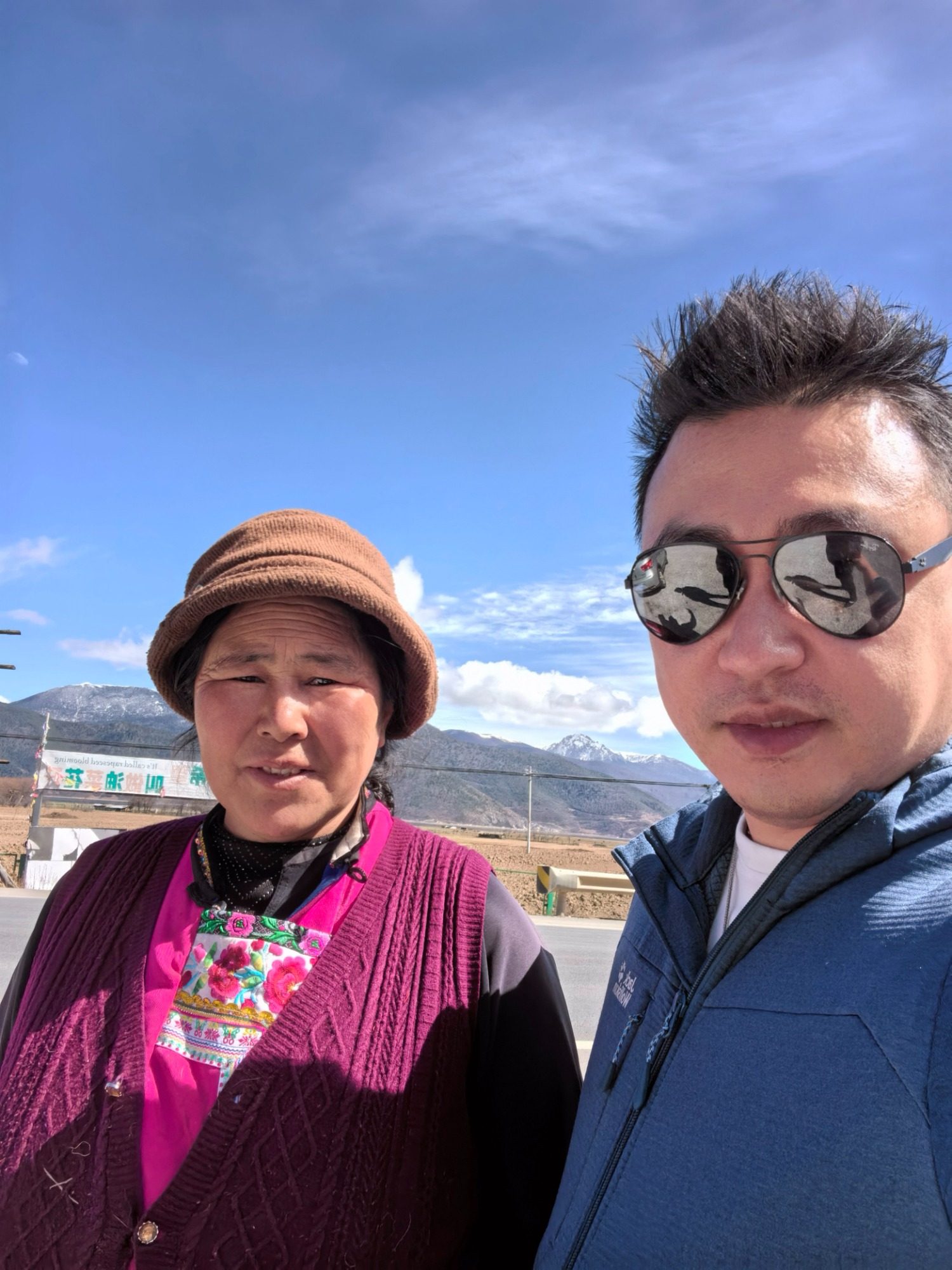
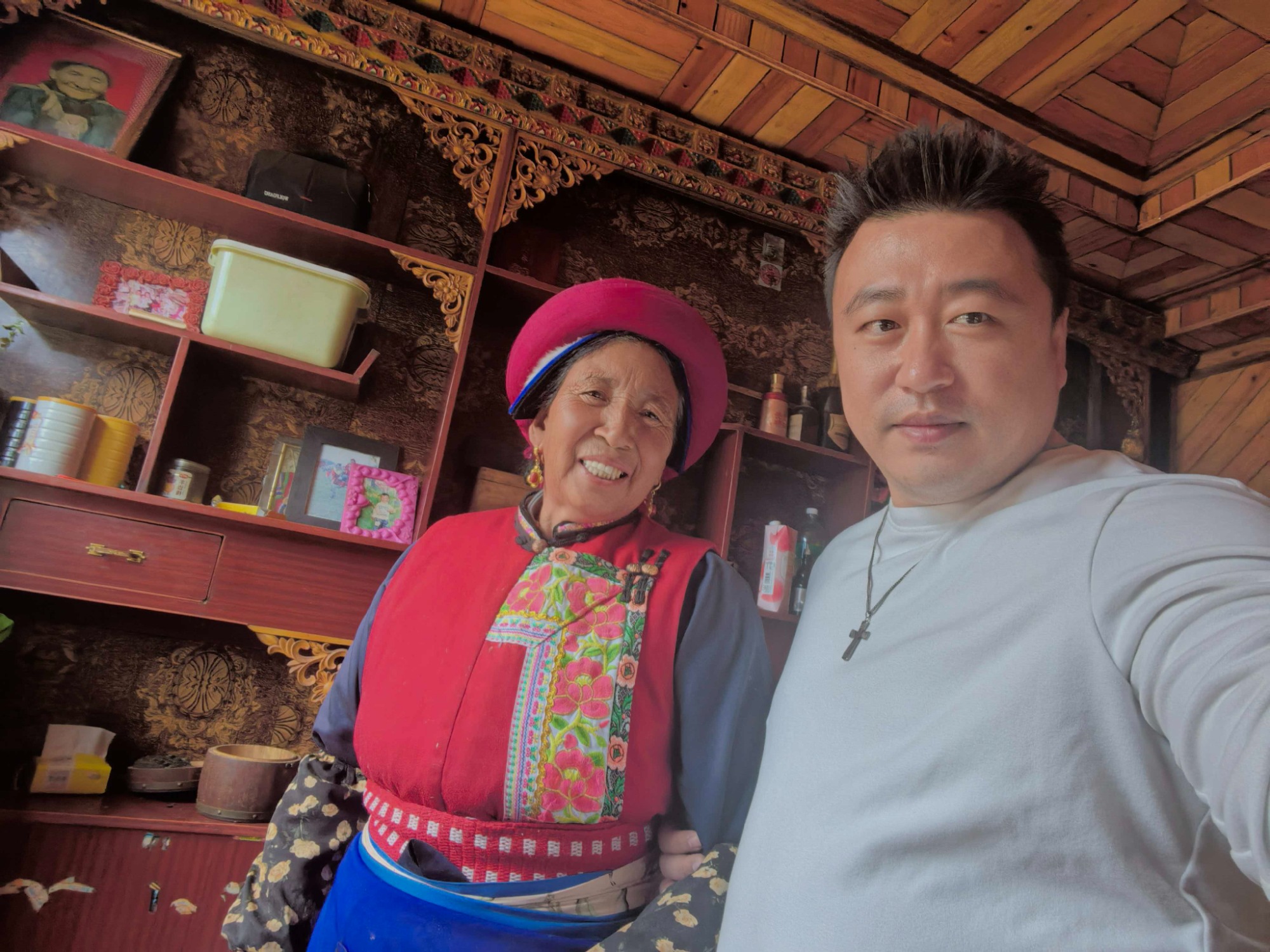
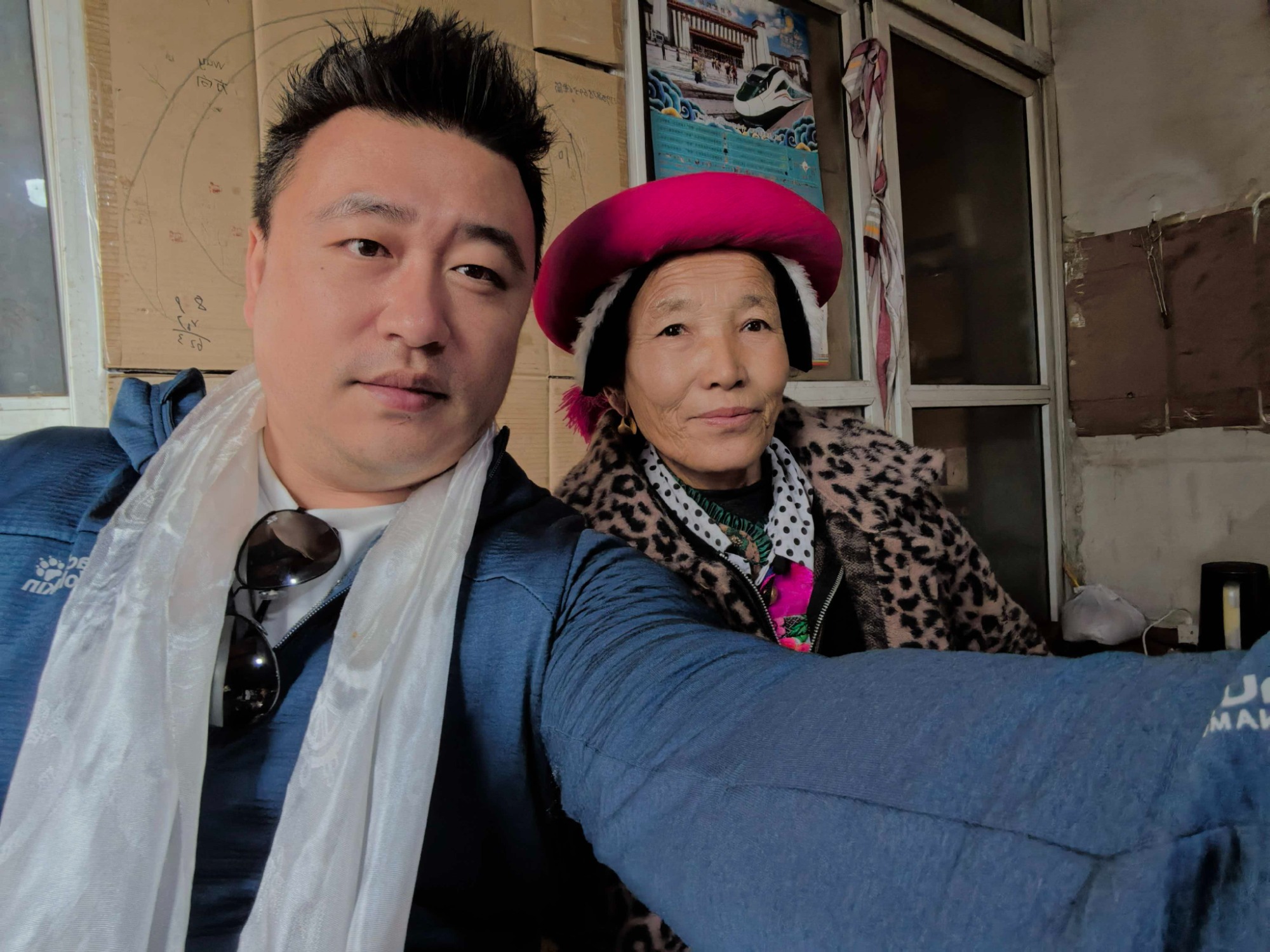
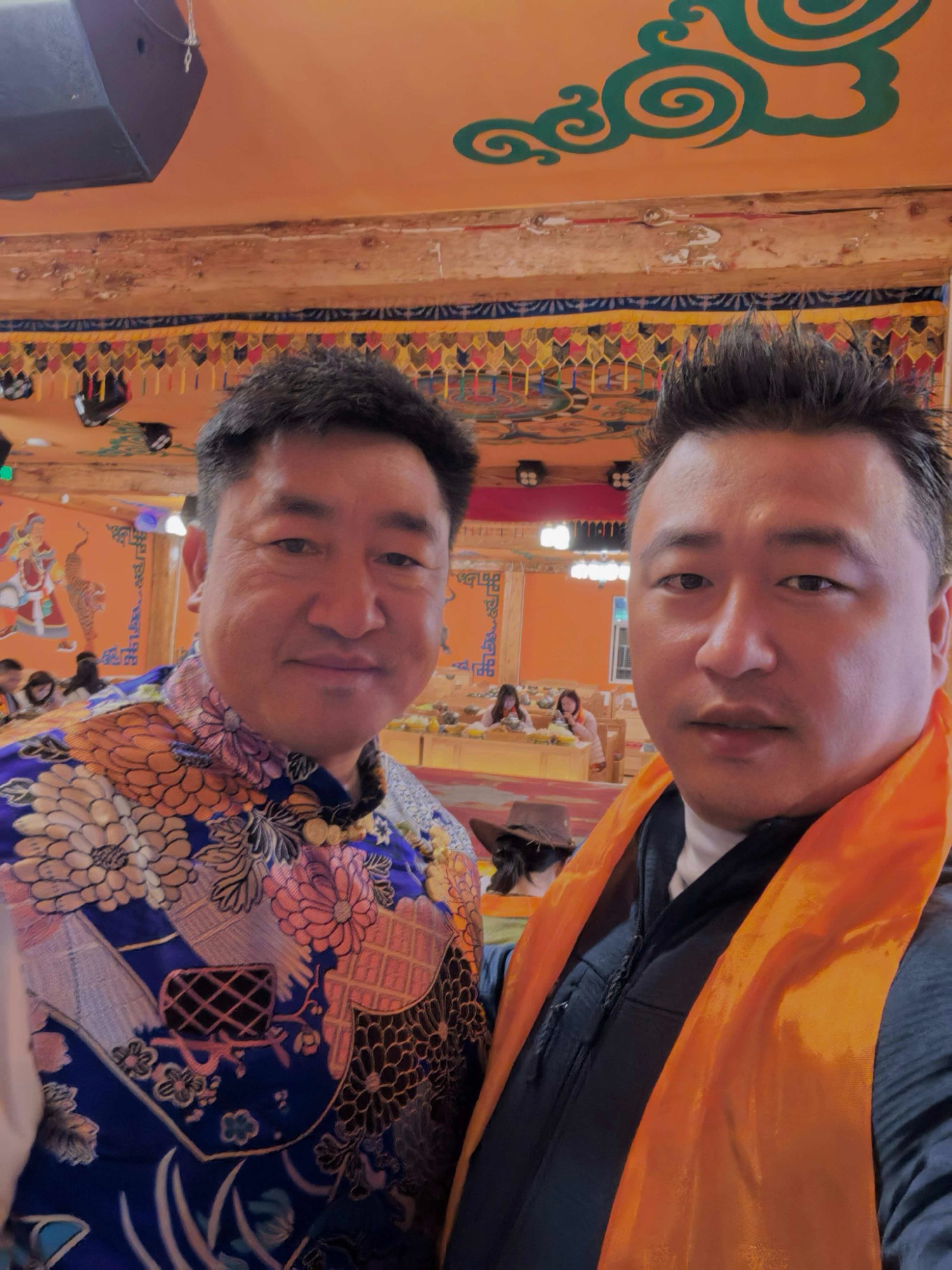
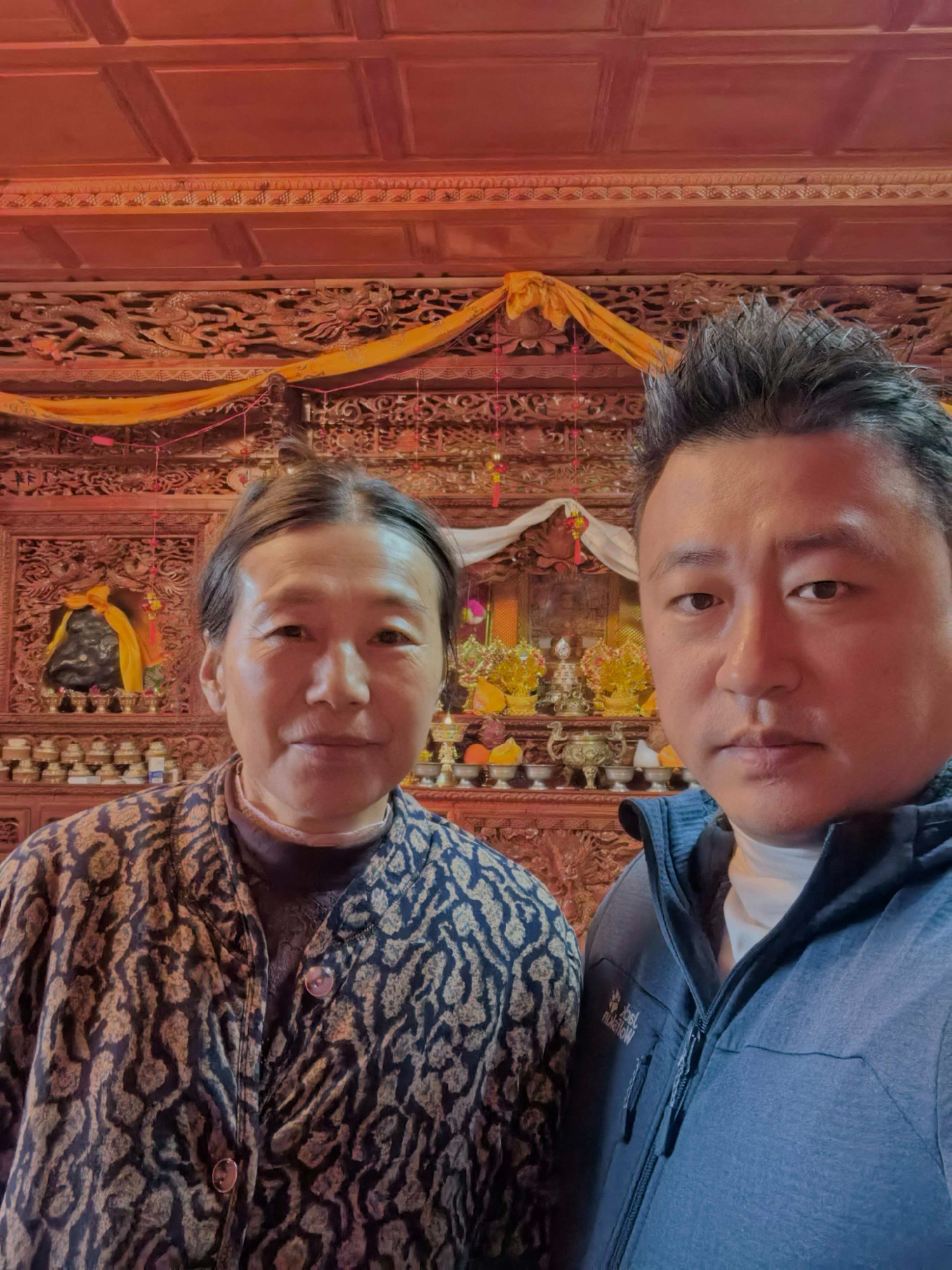
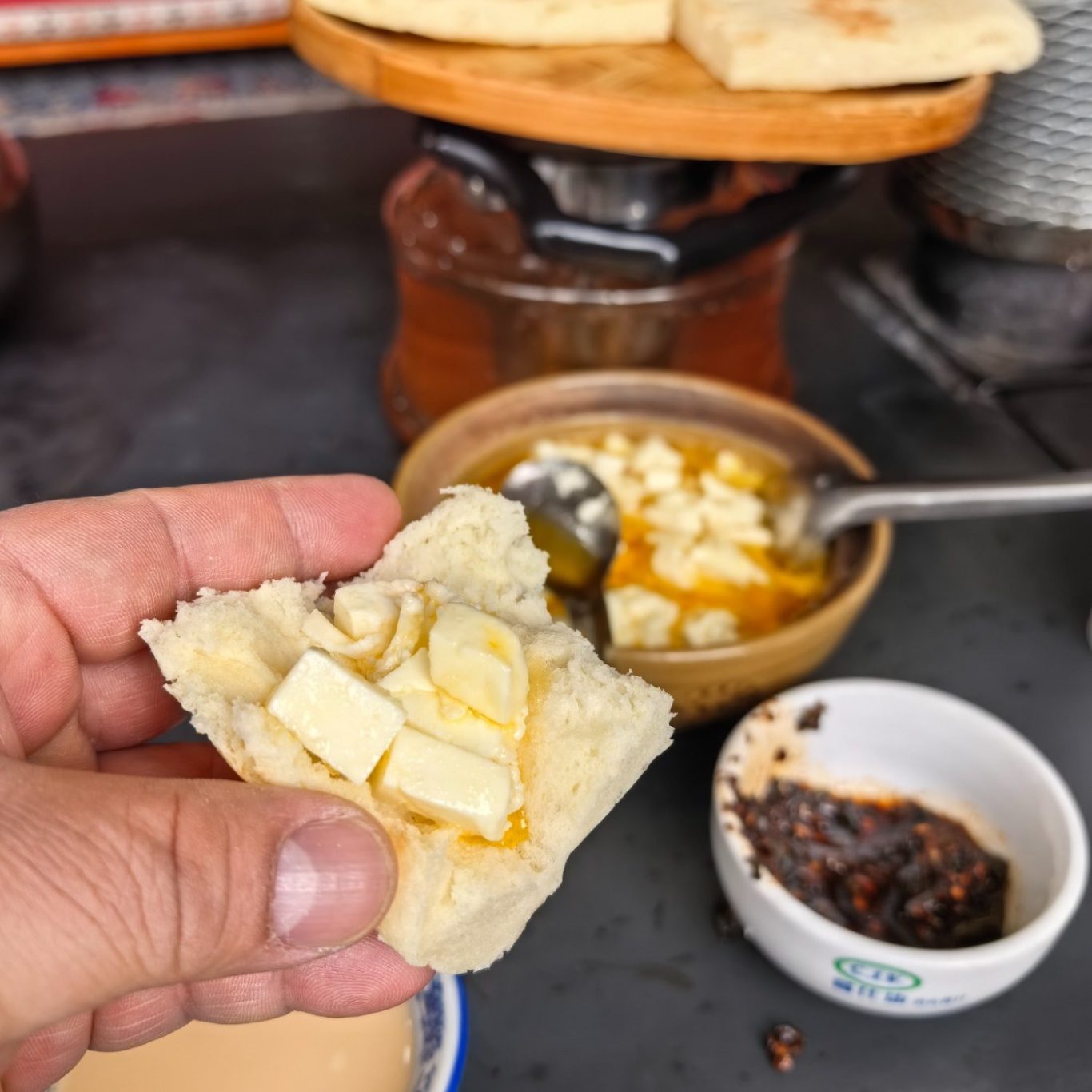
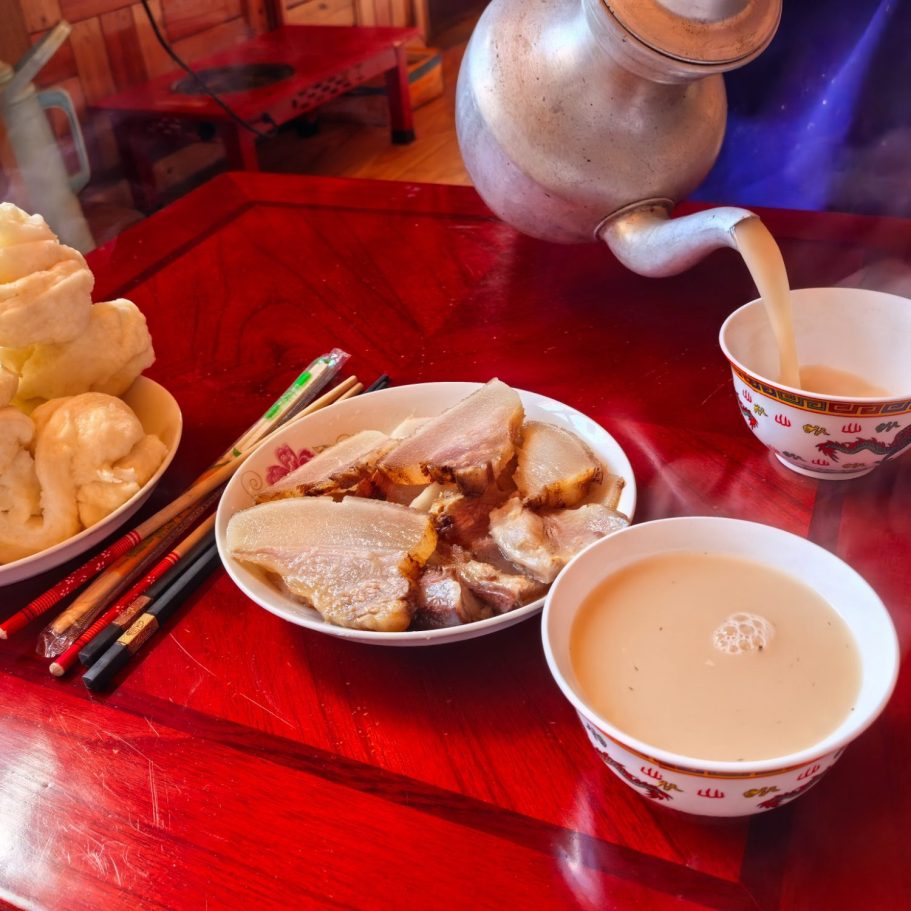
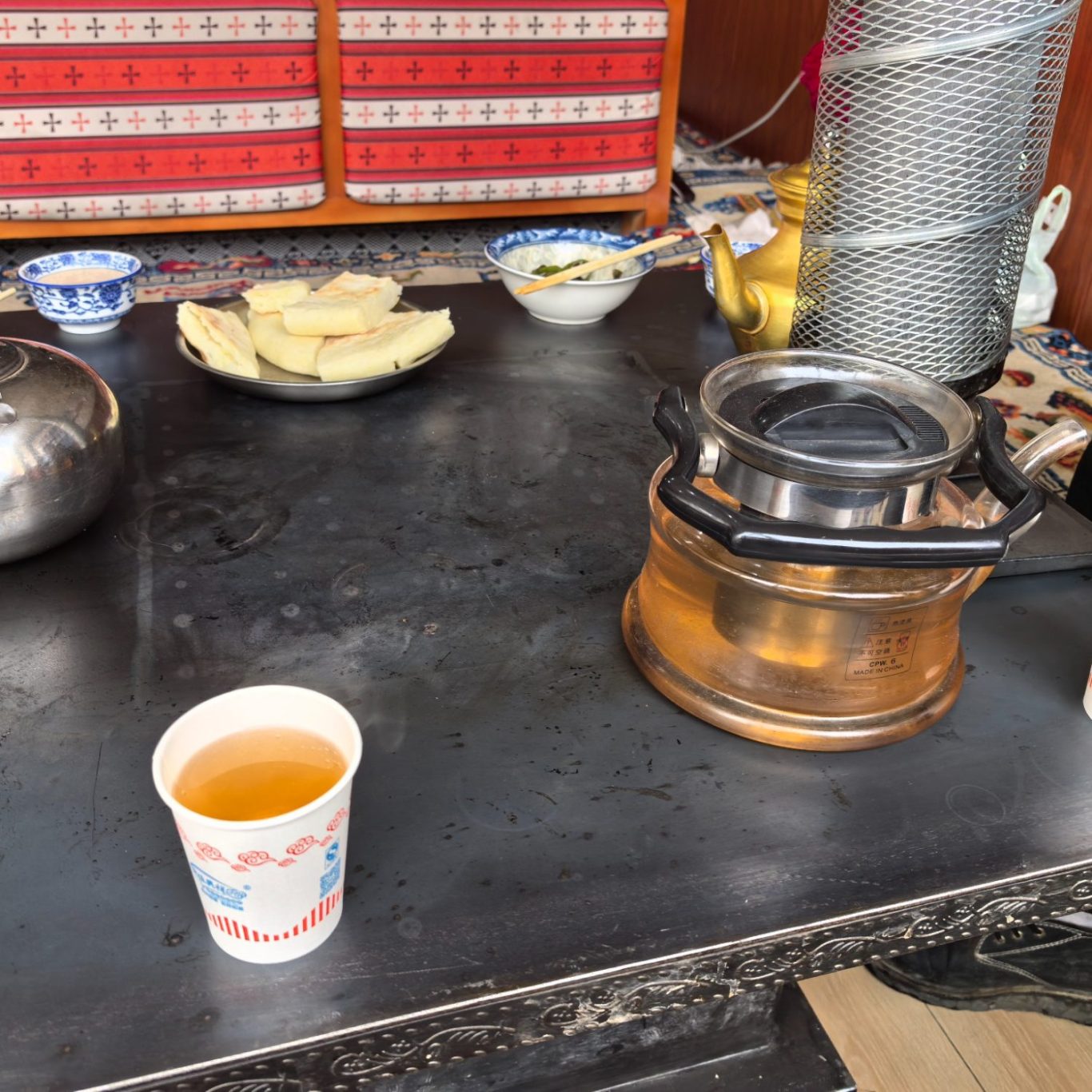
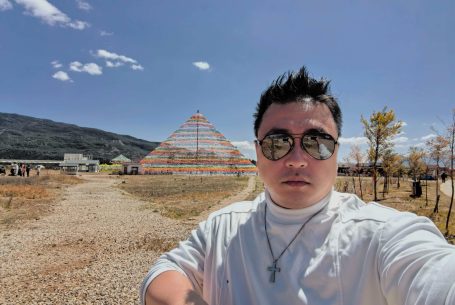
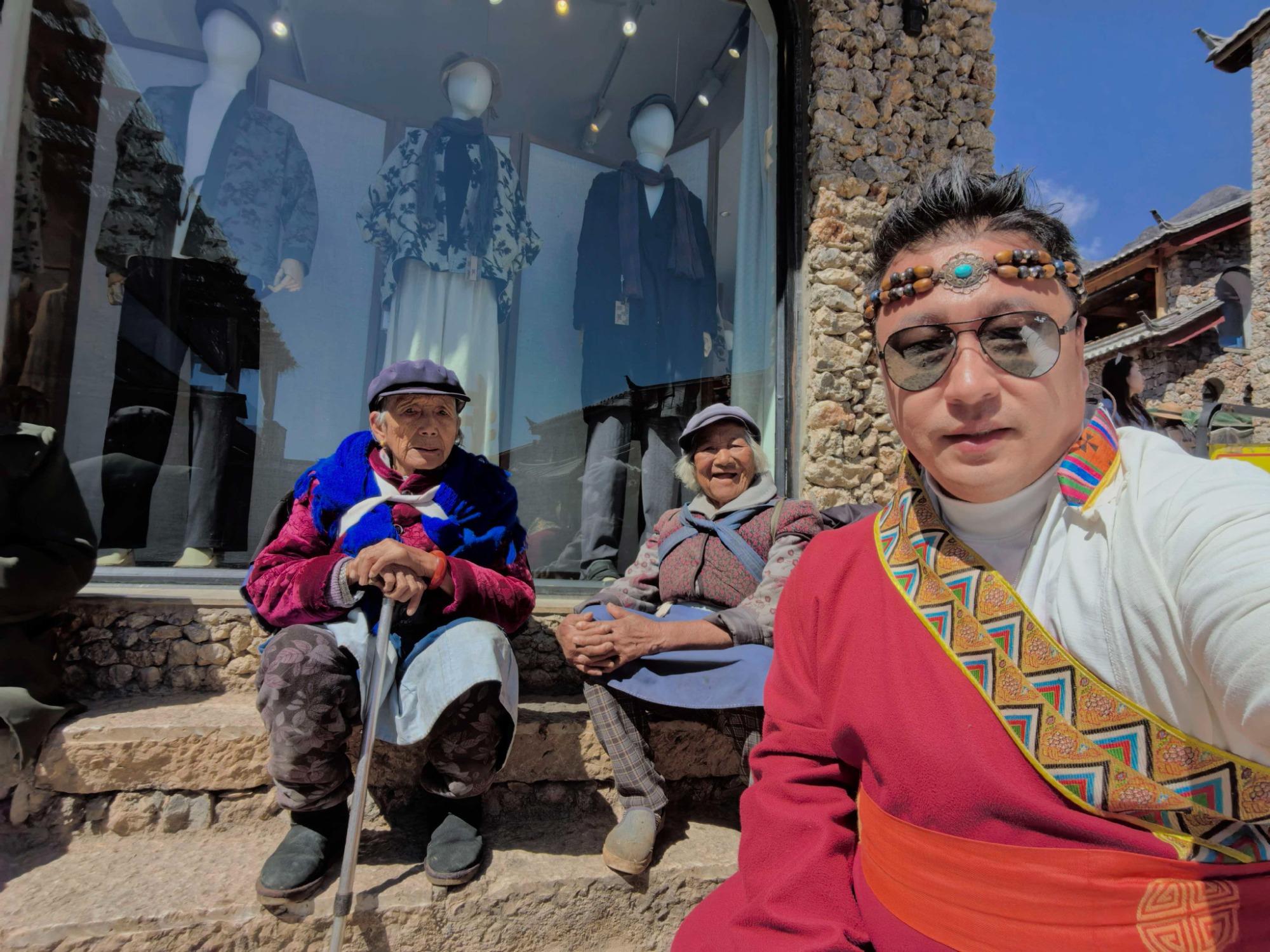
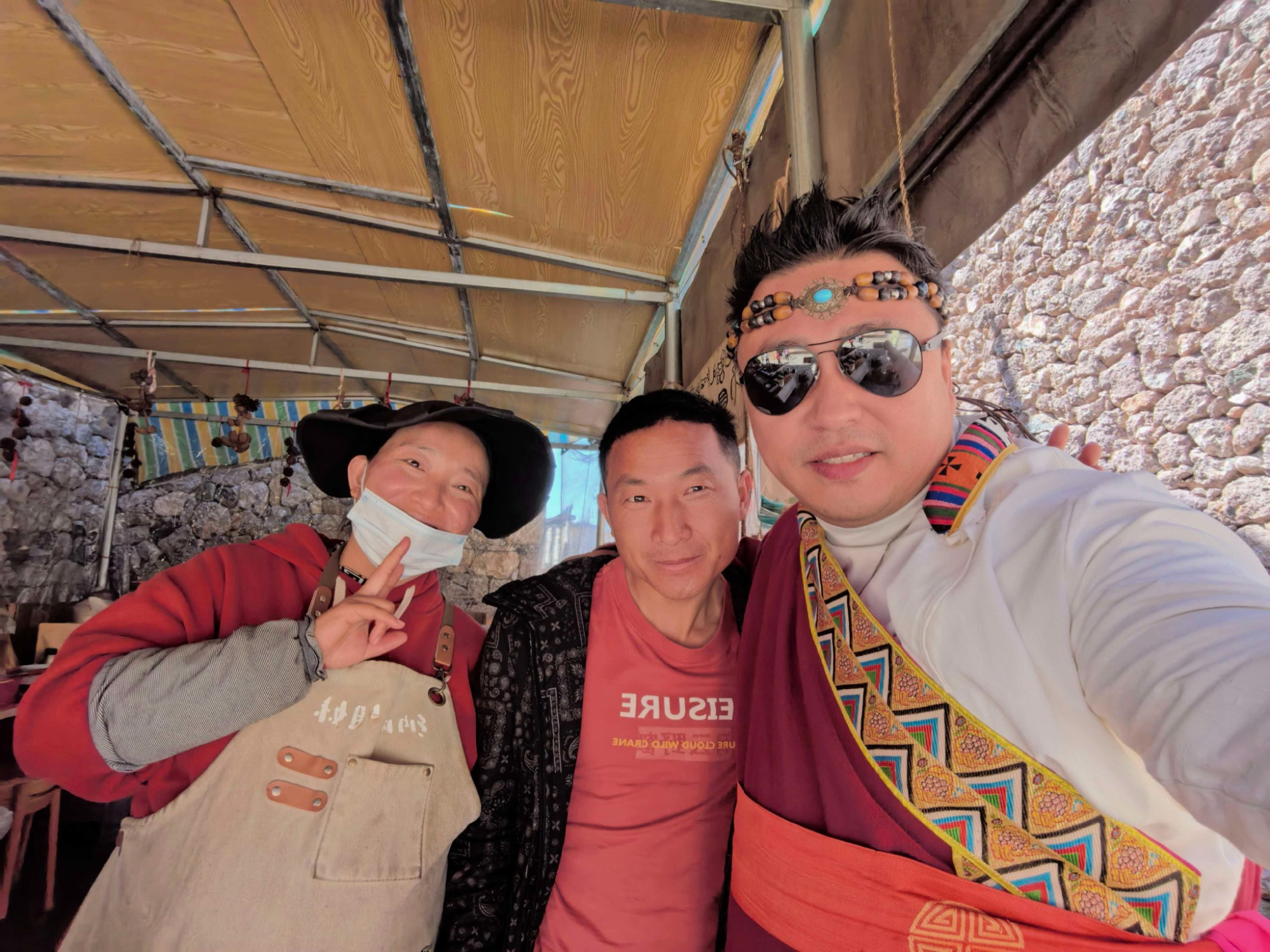
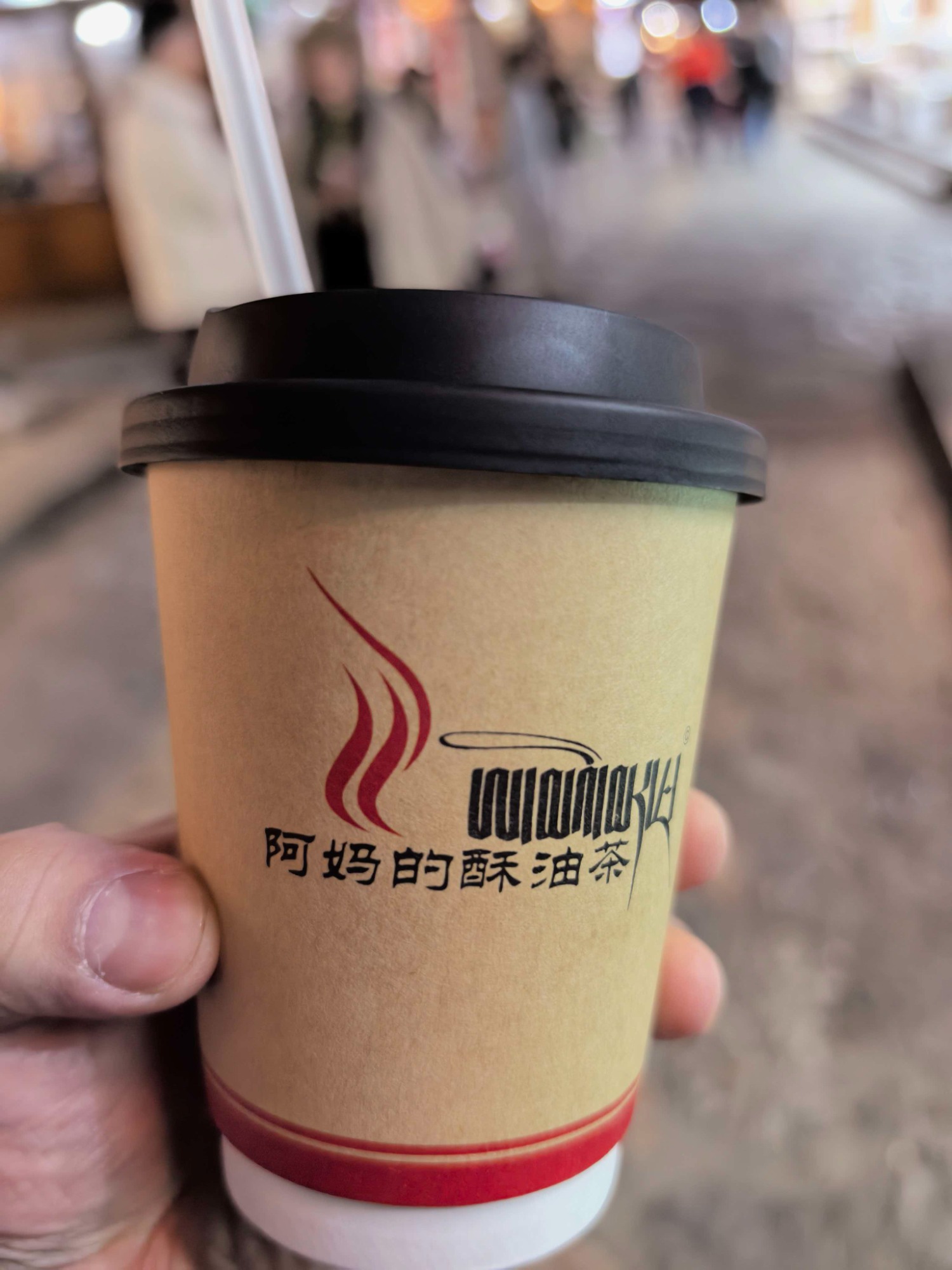
During my time working and studying in China, I often travelled to Tibet to provide free medical care to people living in poverty. The Tibetan people were incredibly welcoming, offering me butter tea and tsampa. Each visit left me deeply moved by their warmth and heartfelt hospitality.
Galerie
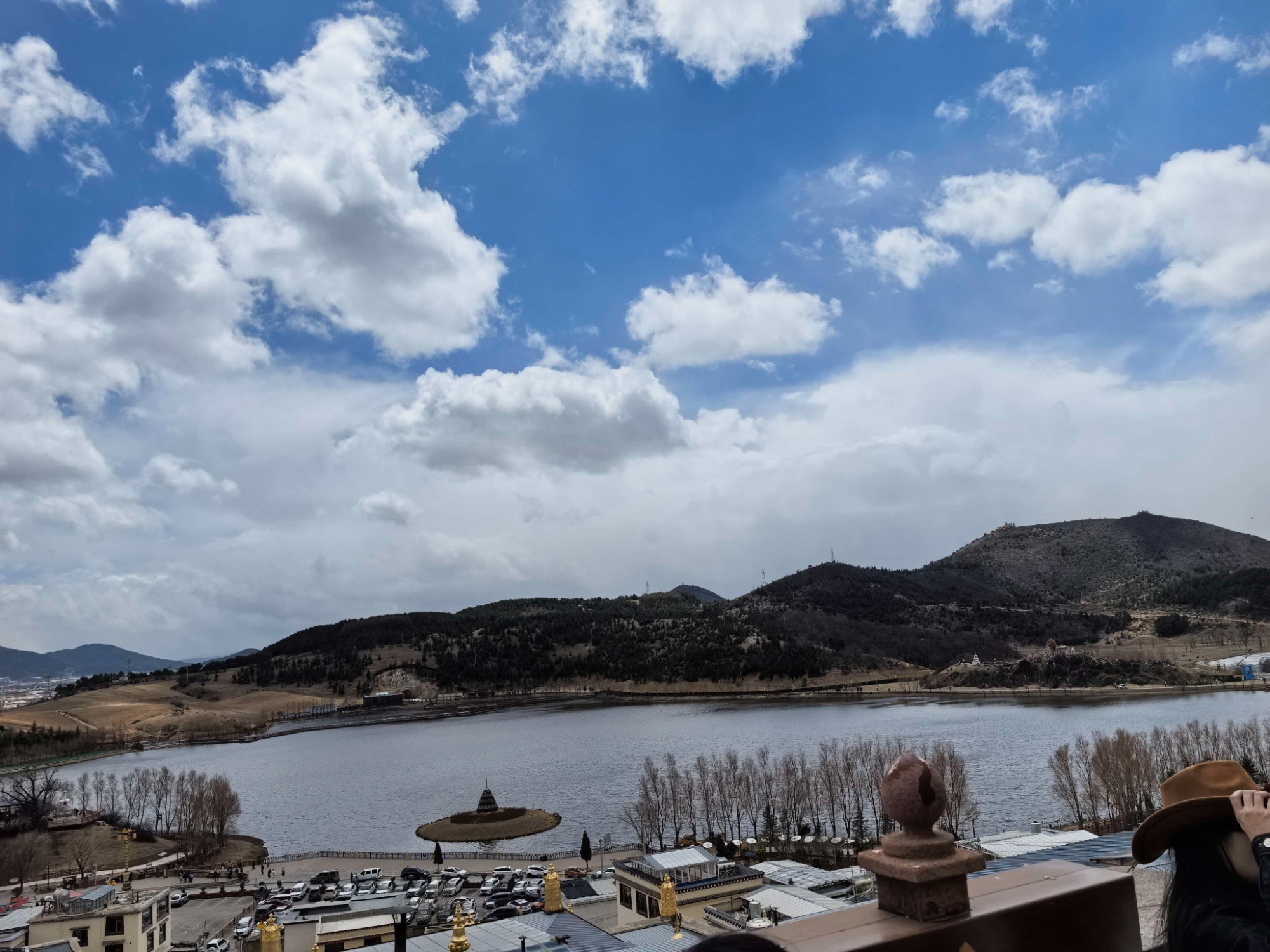
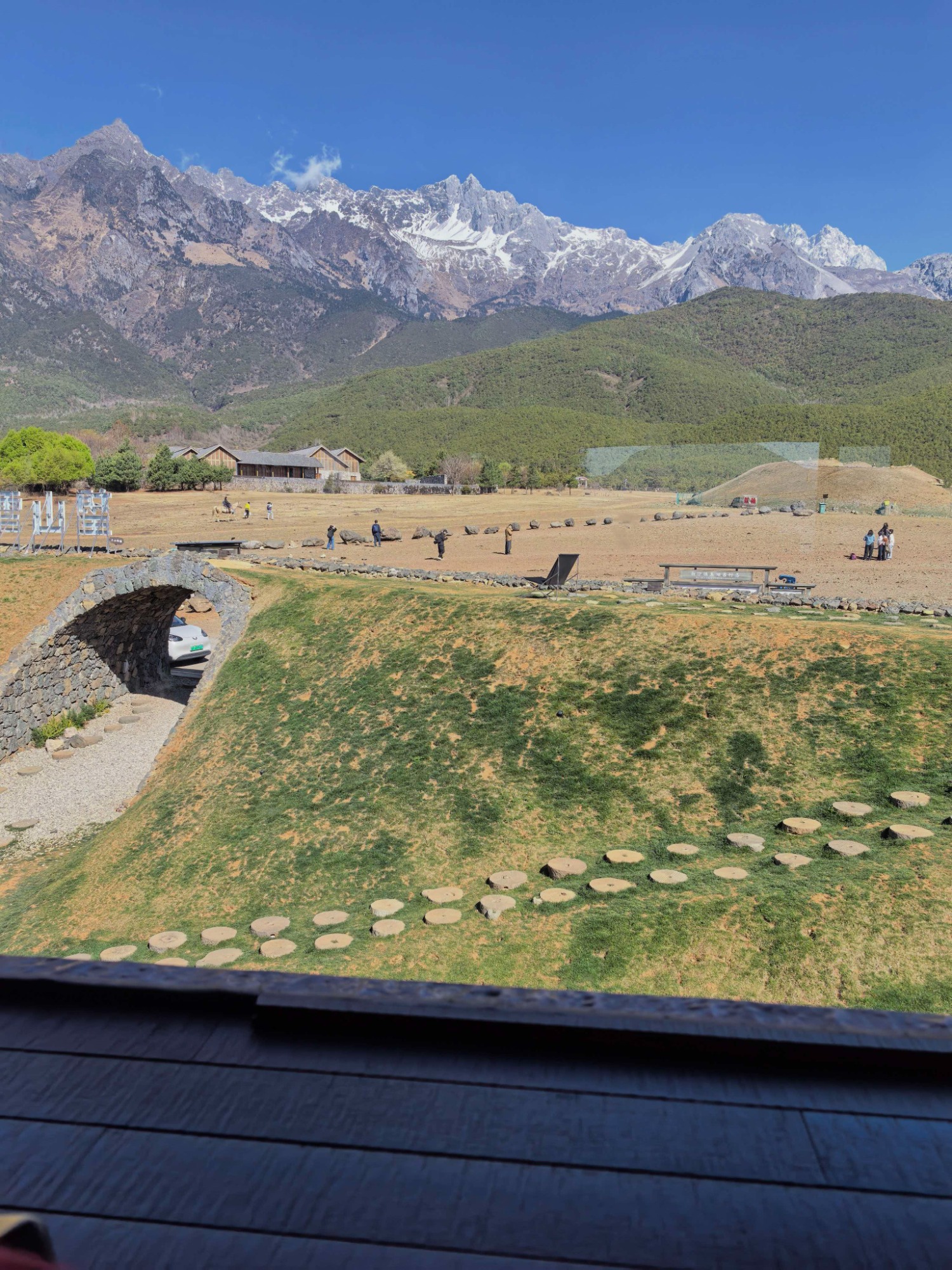
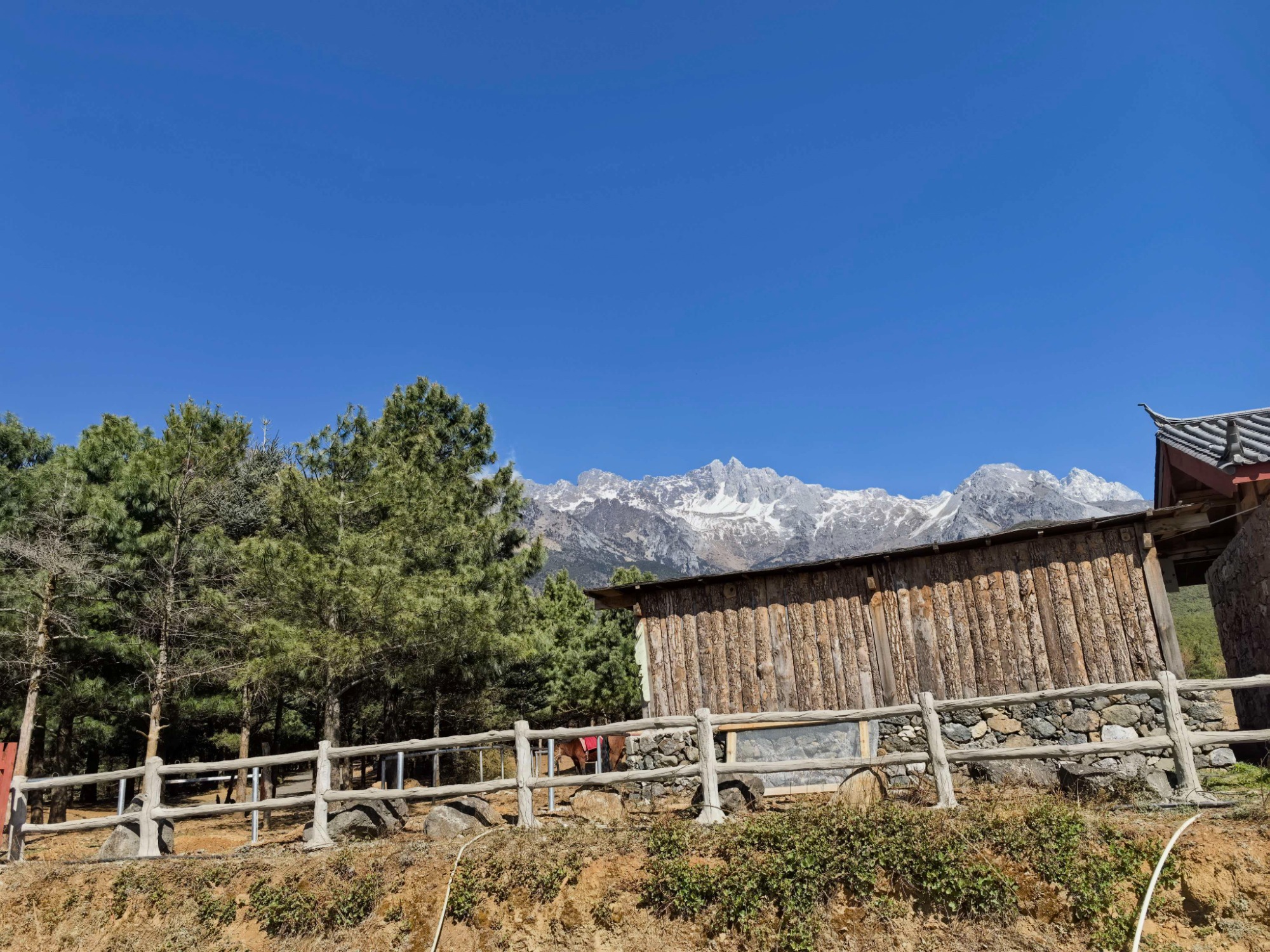
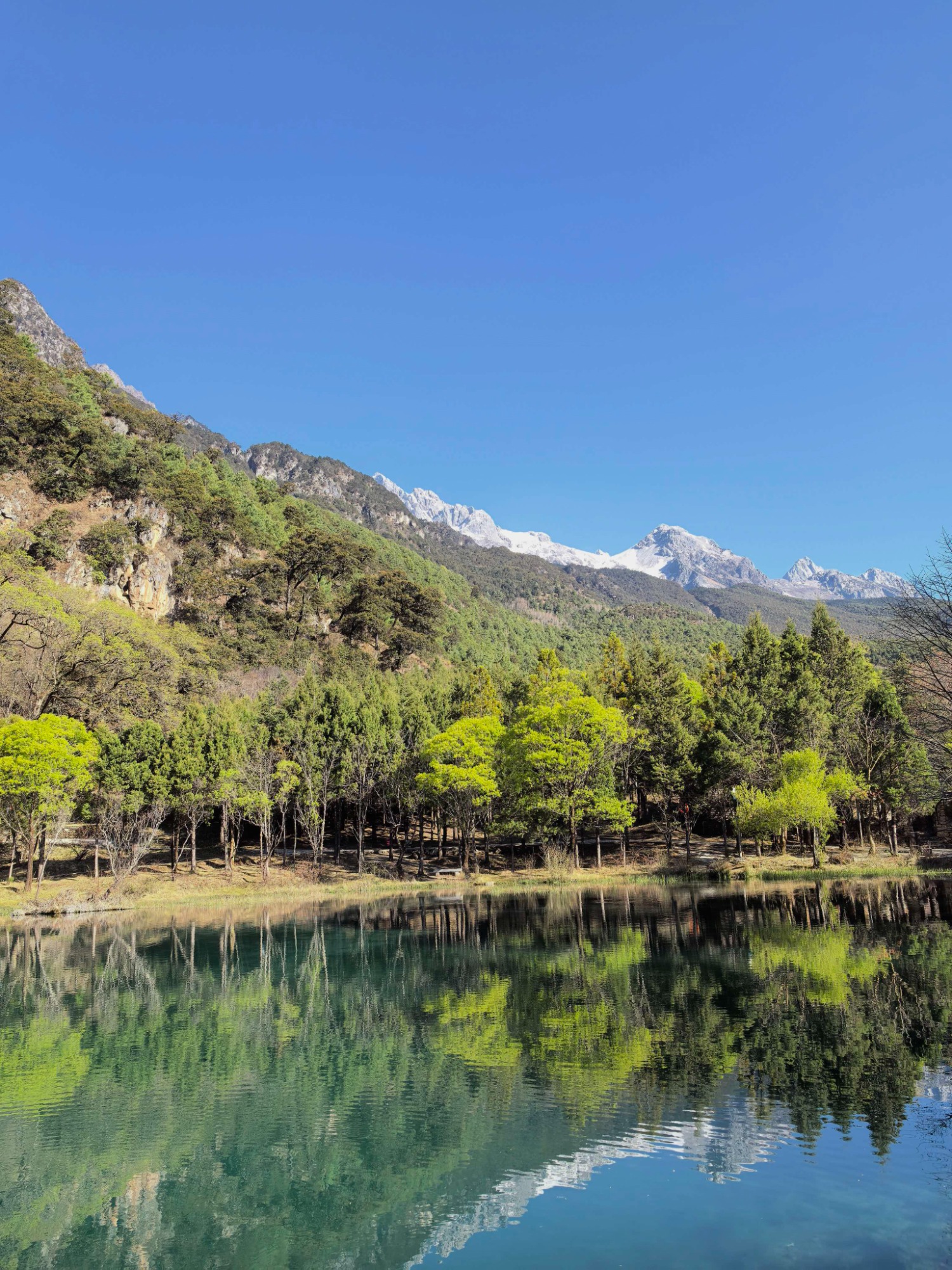
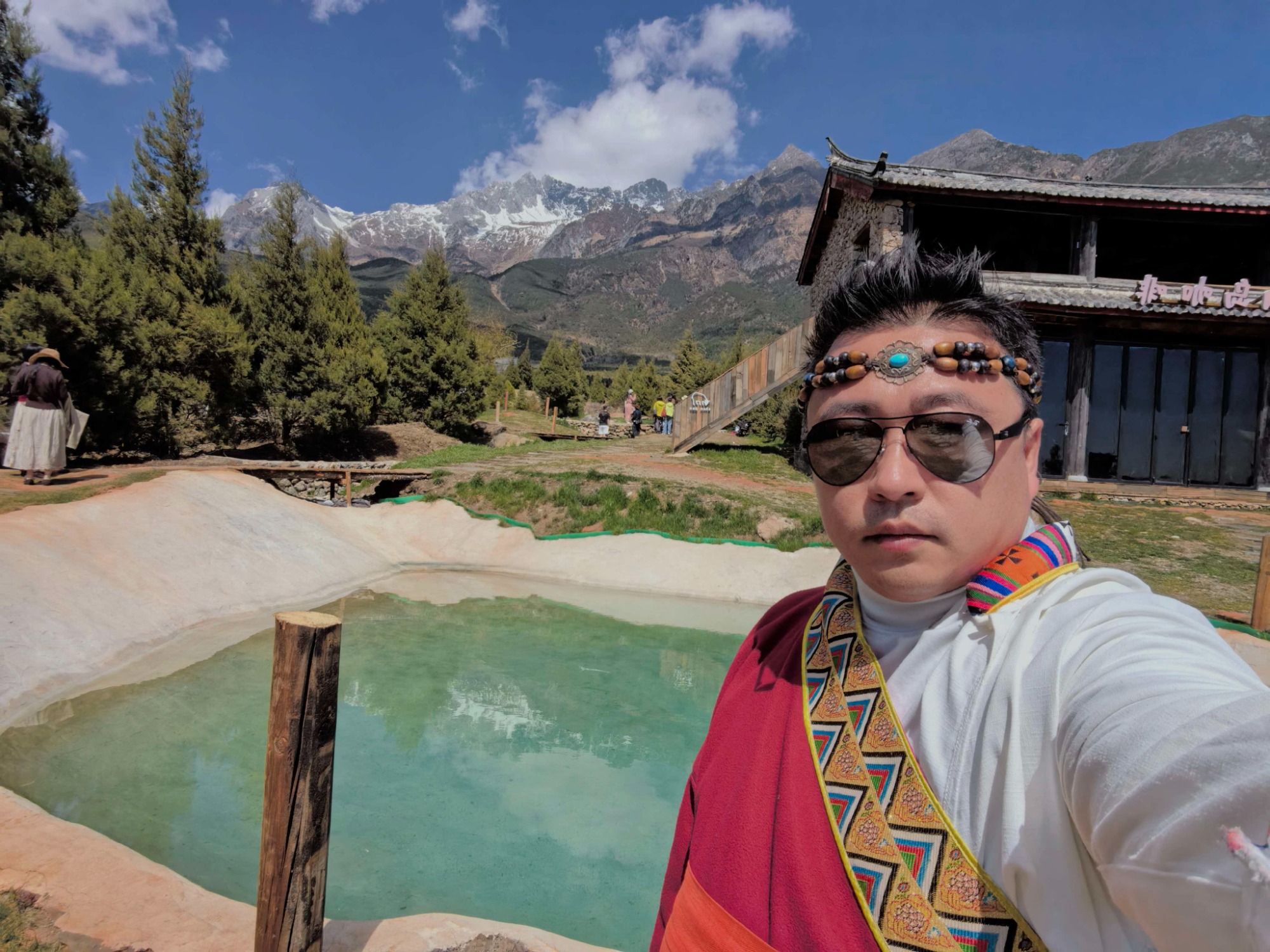
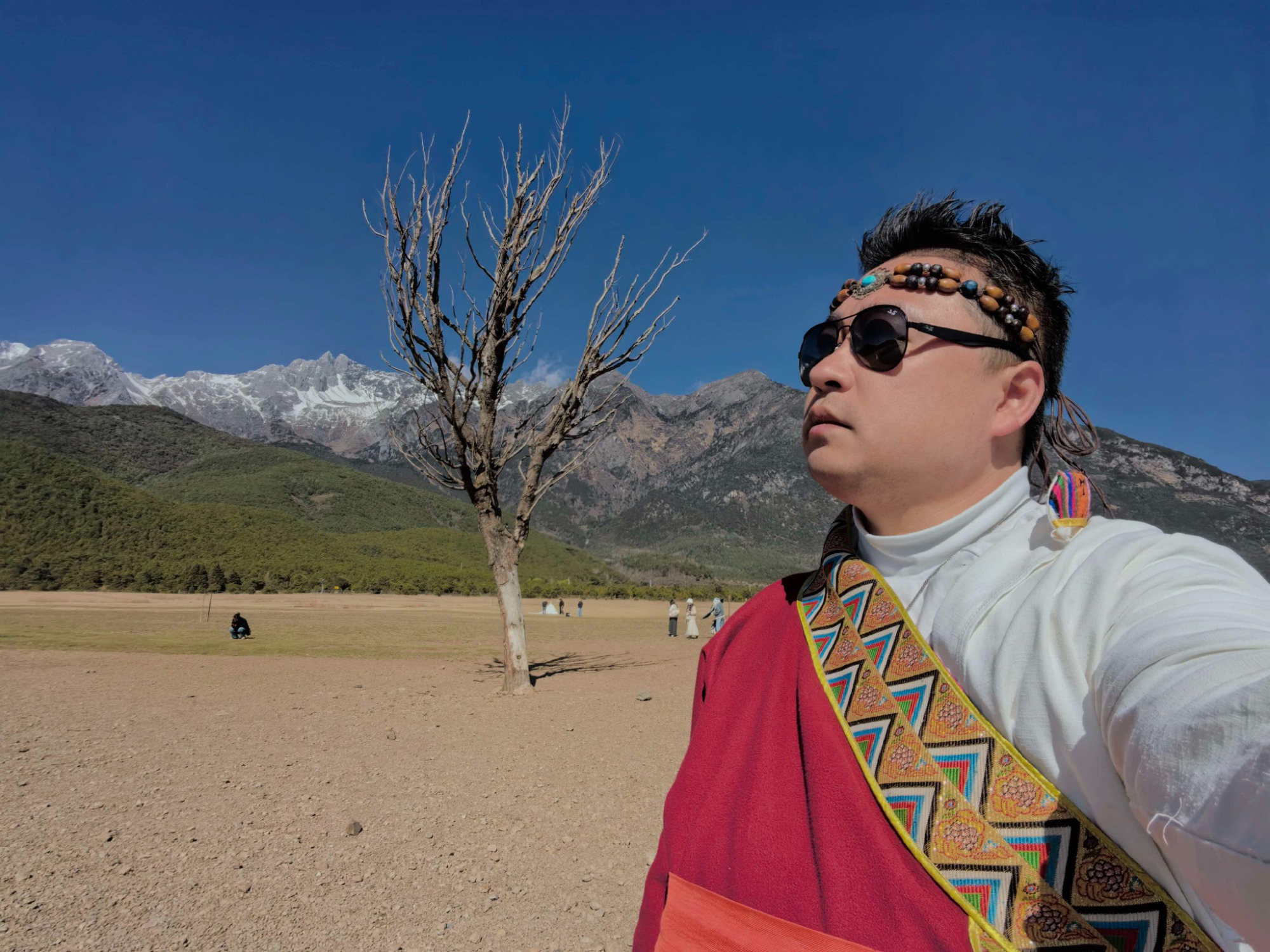
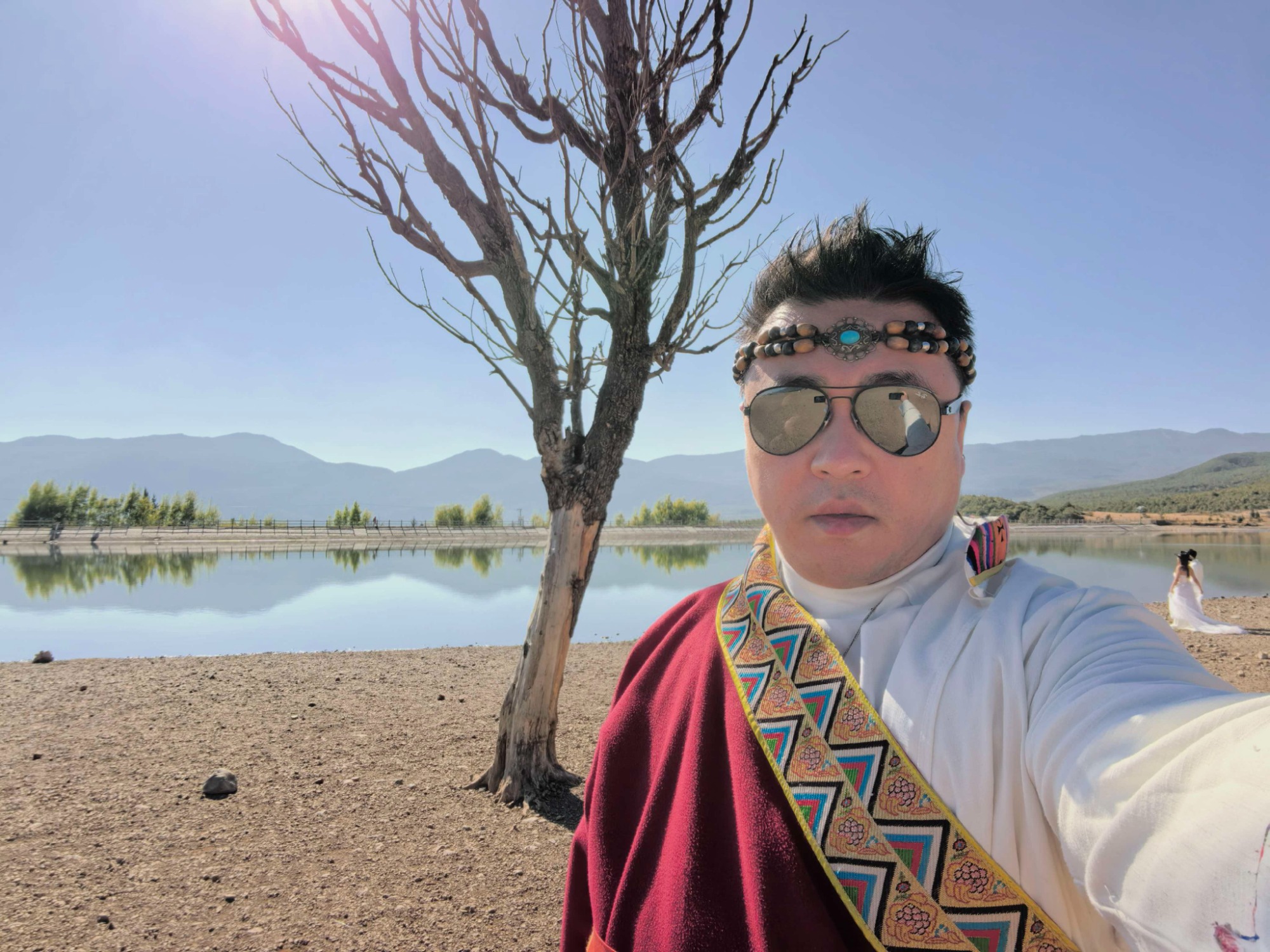
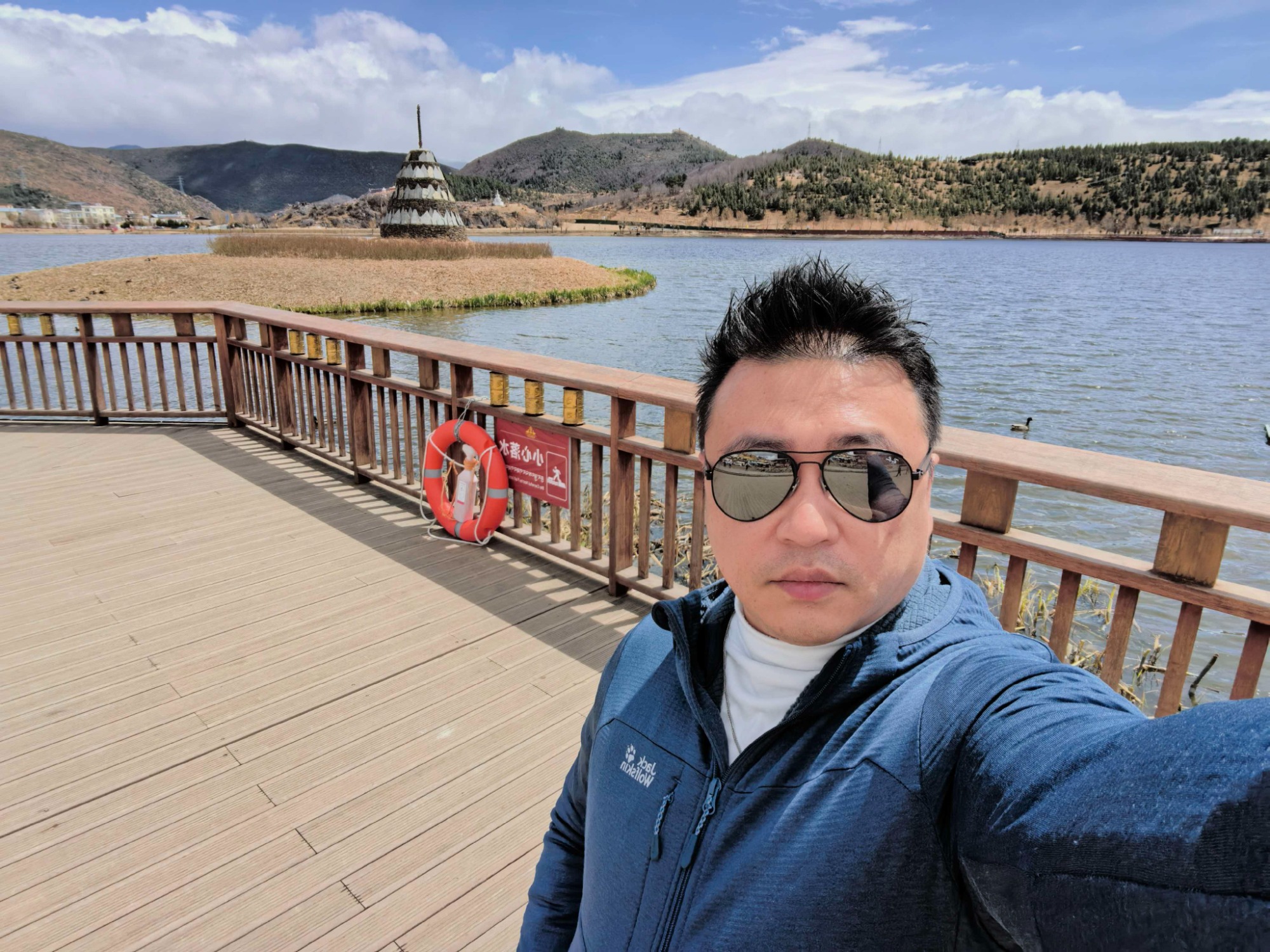
Die wunderschöne Landschaft Tibets
Tibet is truly a beautiful place. Many of the local Tibetan homes I visited were remarkably large—at least those of the people I treated. From the outside, these traditional Tibetan houses appeared to be two or three storeys high. Once inside, however, I would find an enormous covered courtyard extending through the height of the building. Some homes had seven to more than ten rooms, living rooms of at least 70 square metres, and spacious kitchens.
Some of these large houses had toilets in separate buildings outside. I wondered whether this might be connected to Tibetan religious or cultural traditions, although I never confirmed this.
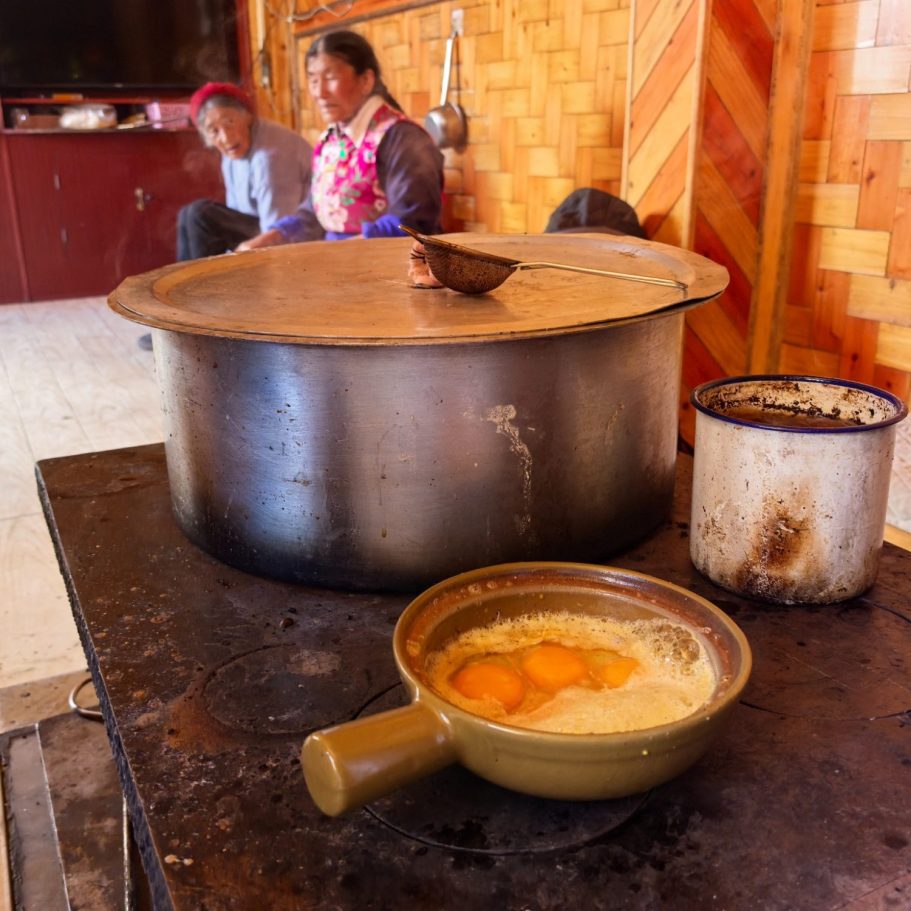
Their heating stoves were also indoors. Dry twigs and firewood were lit right in the living room before being placed in the stove to make tea and warm food. I found this way of life very traditional. I once asked why they did not use electrical appliances when their homes already had electricity. They told me they preferred their traditional stoves—the atmosphere they created and the distinctive flavours of food prepared that way.
Every visit to the Tibetan regions left me feeling refreshed, peaceful and at ease. Many of the people I met seemed financially comfortable and could afford to build exceptionally large homes, yet they still preferred to preserve their traditional way of life.
My impression from these encounters was that some preferred to remain within their communities, marry within their ethnic group, and maintain their familiar customs. Despite their wealth, they chose a simple, traditional lifestyle. Some preferred to donate their earnings to monasteries, a generosity and devotion that I deeply admired.

Tibetan Cuisine
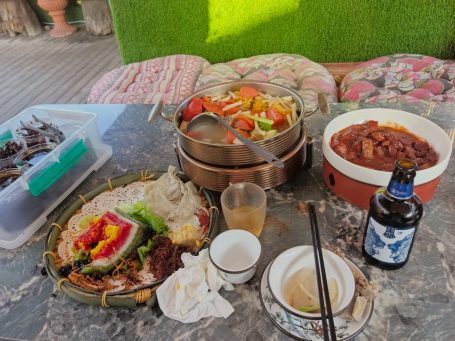
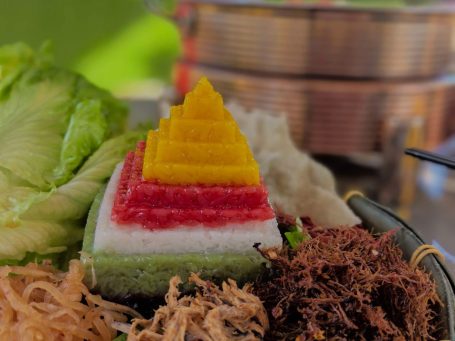
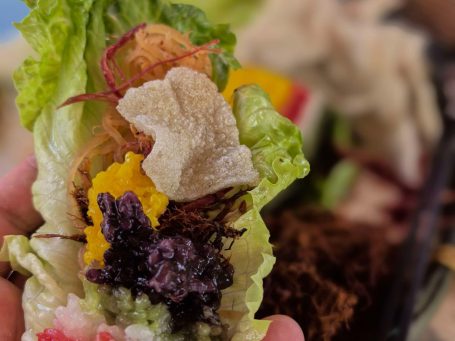
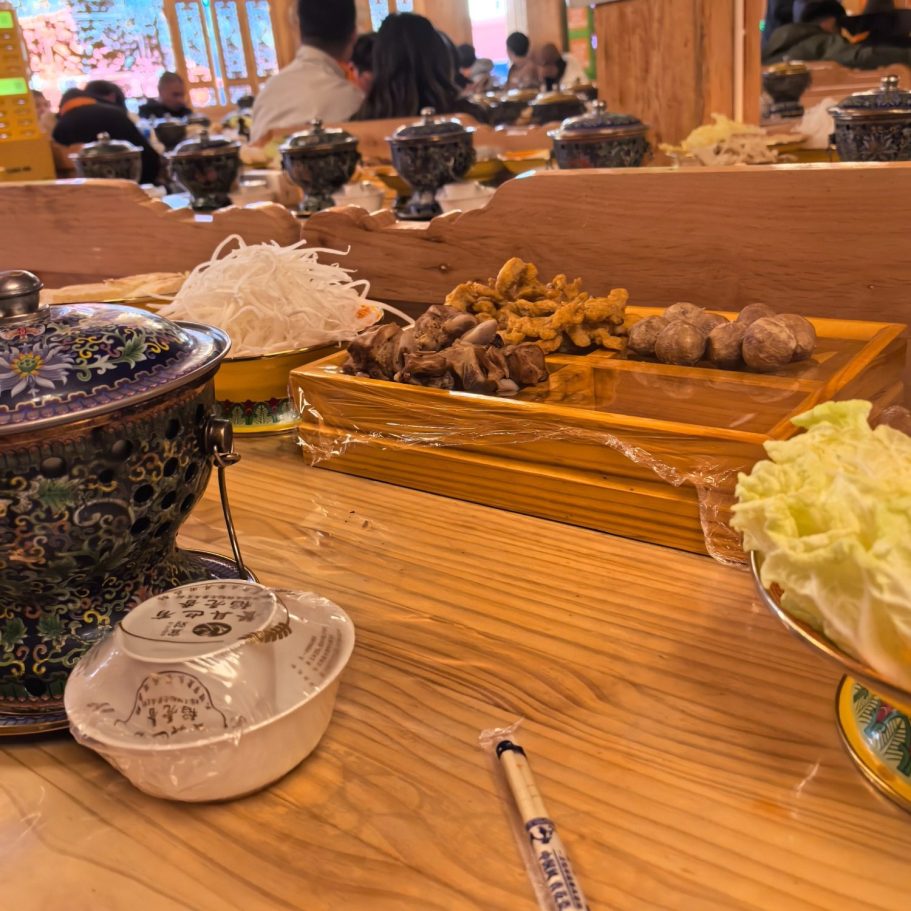
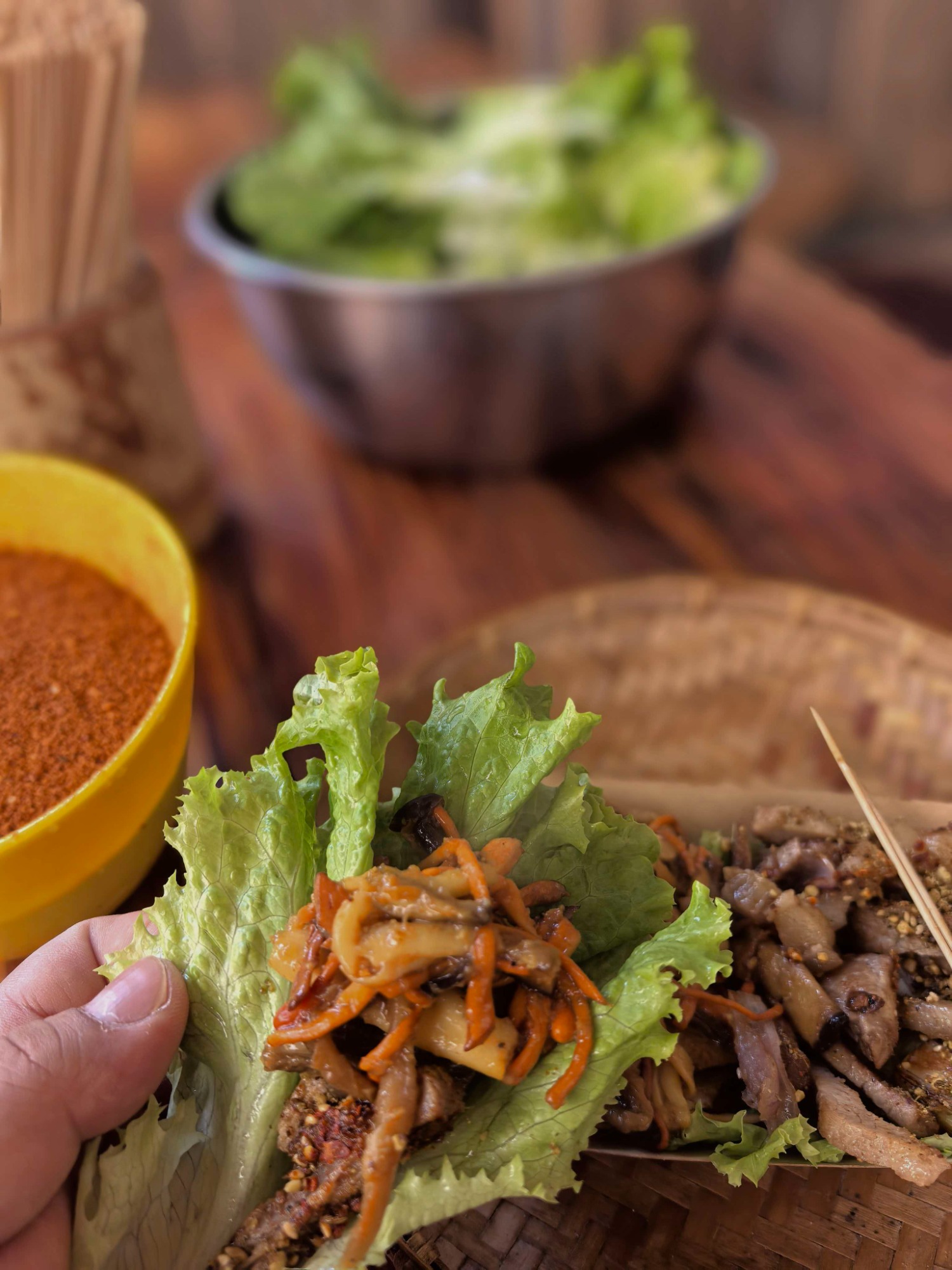
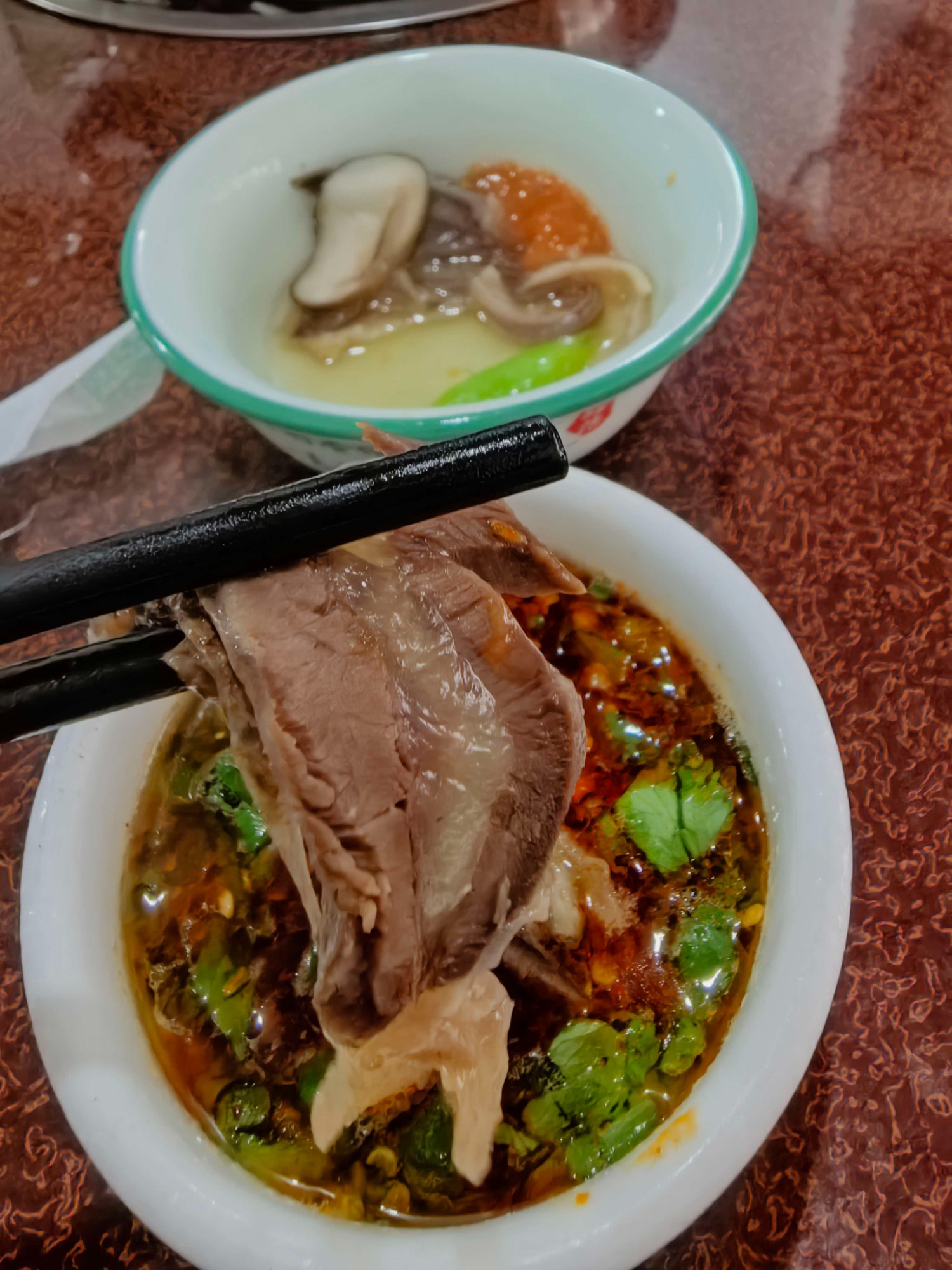
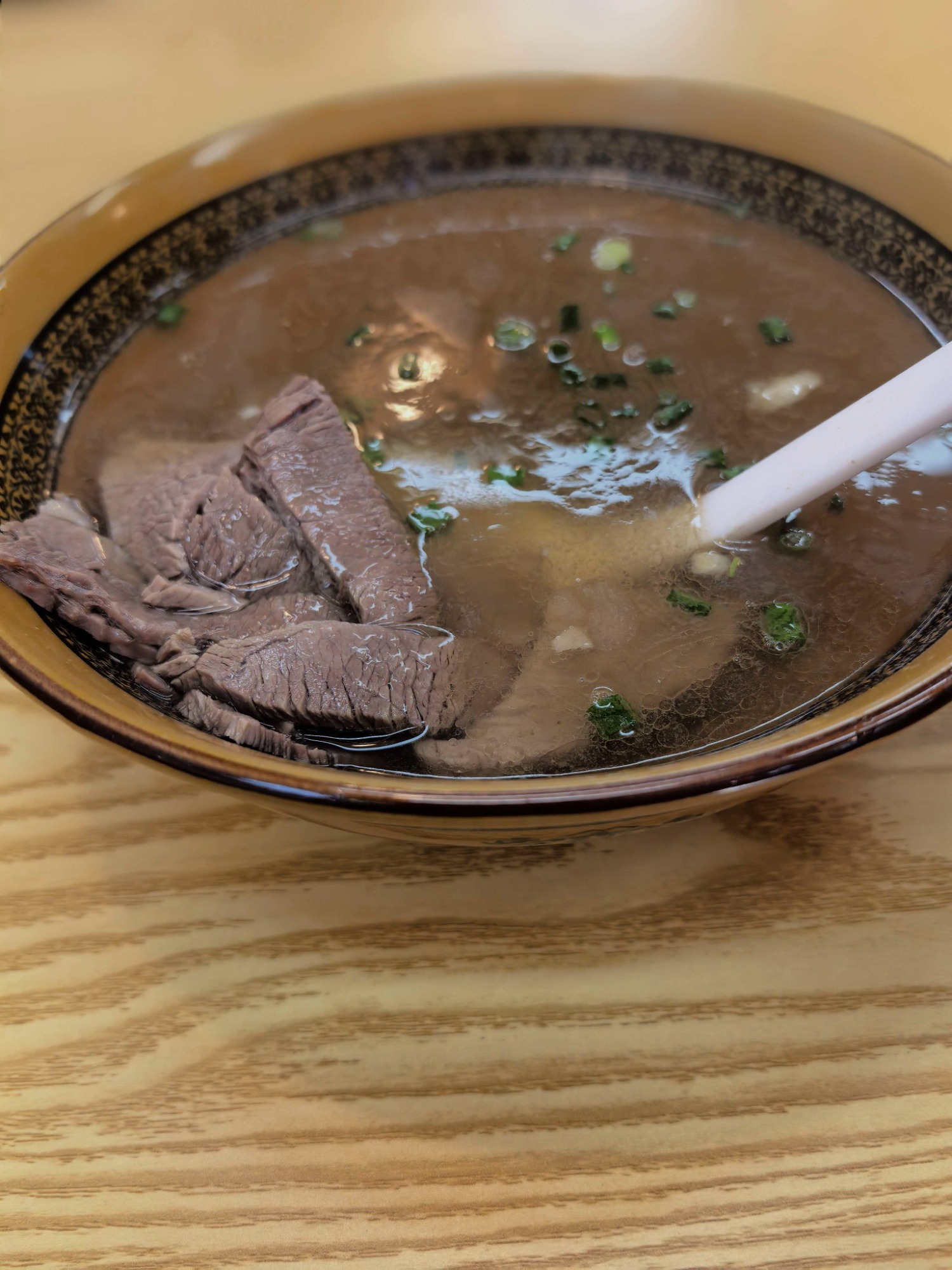
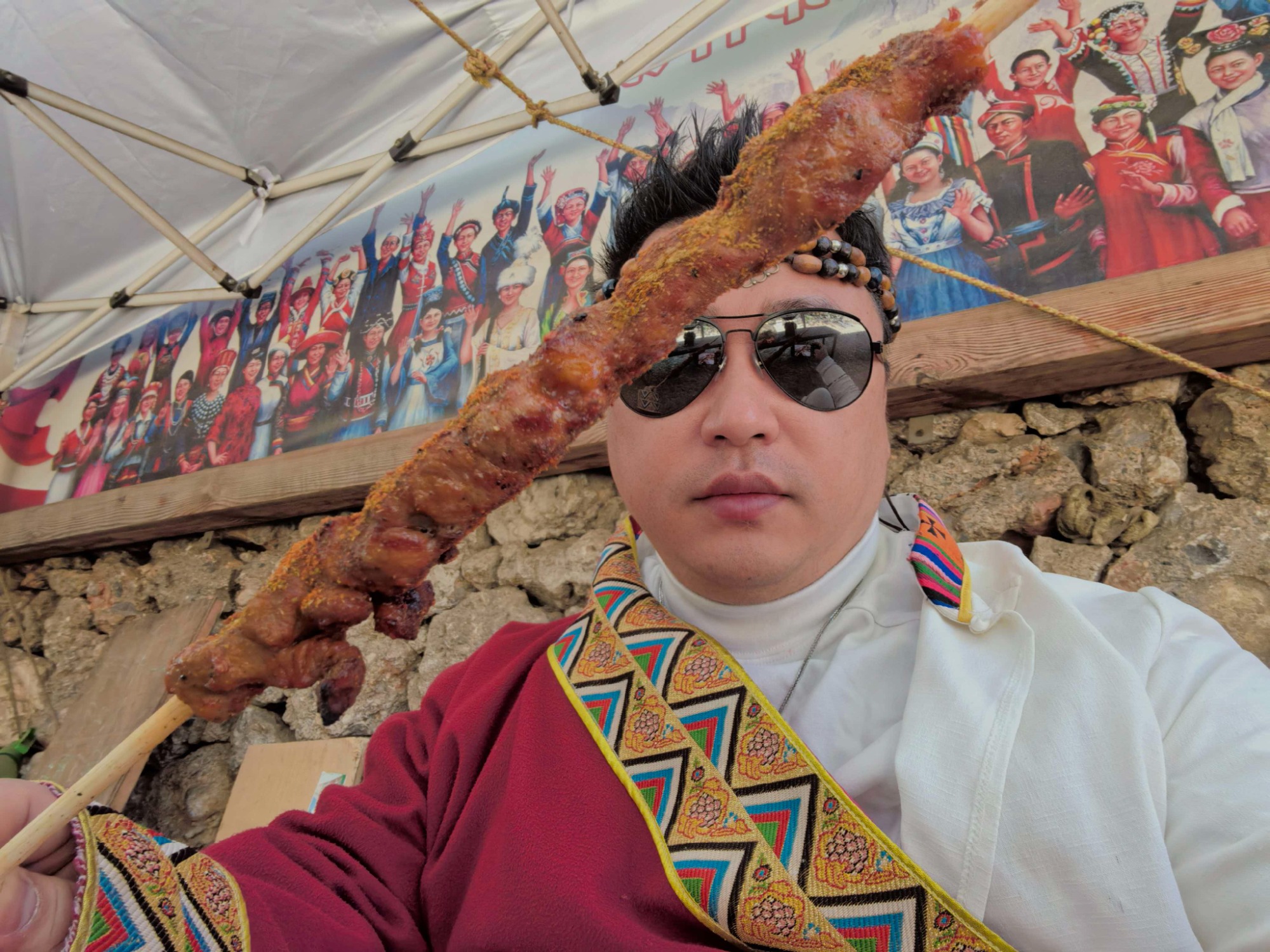
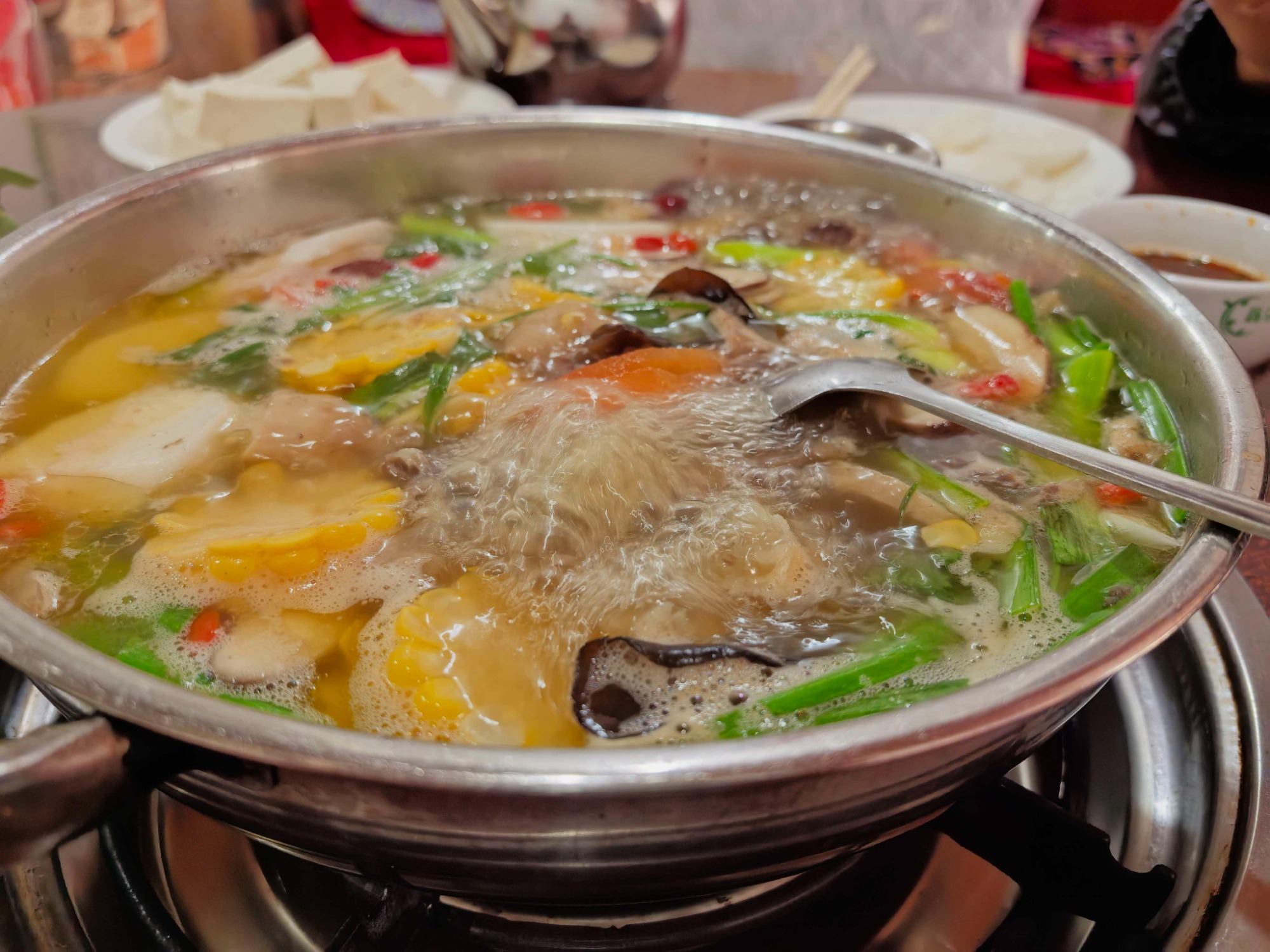
Yak meat skewers, yak hot pot, and hand-pulled noodles with yak meat—all so tempting! Sometimes, even after I had already eaten, the delicious aroma from a restaurant would draw me in. I wanted to order a small portion, but they didn’t offer one, so the owner kindly gave me a serving to try, free of charge. Of course, before leaving, I tucked the payment and a tip beneath the bowl. Kindness is meant to be passed on, don’t you agree?
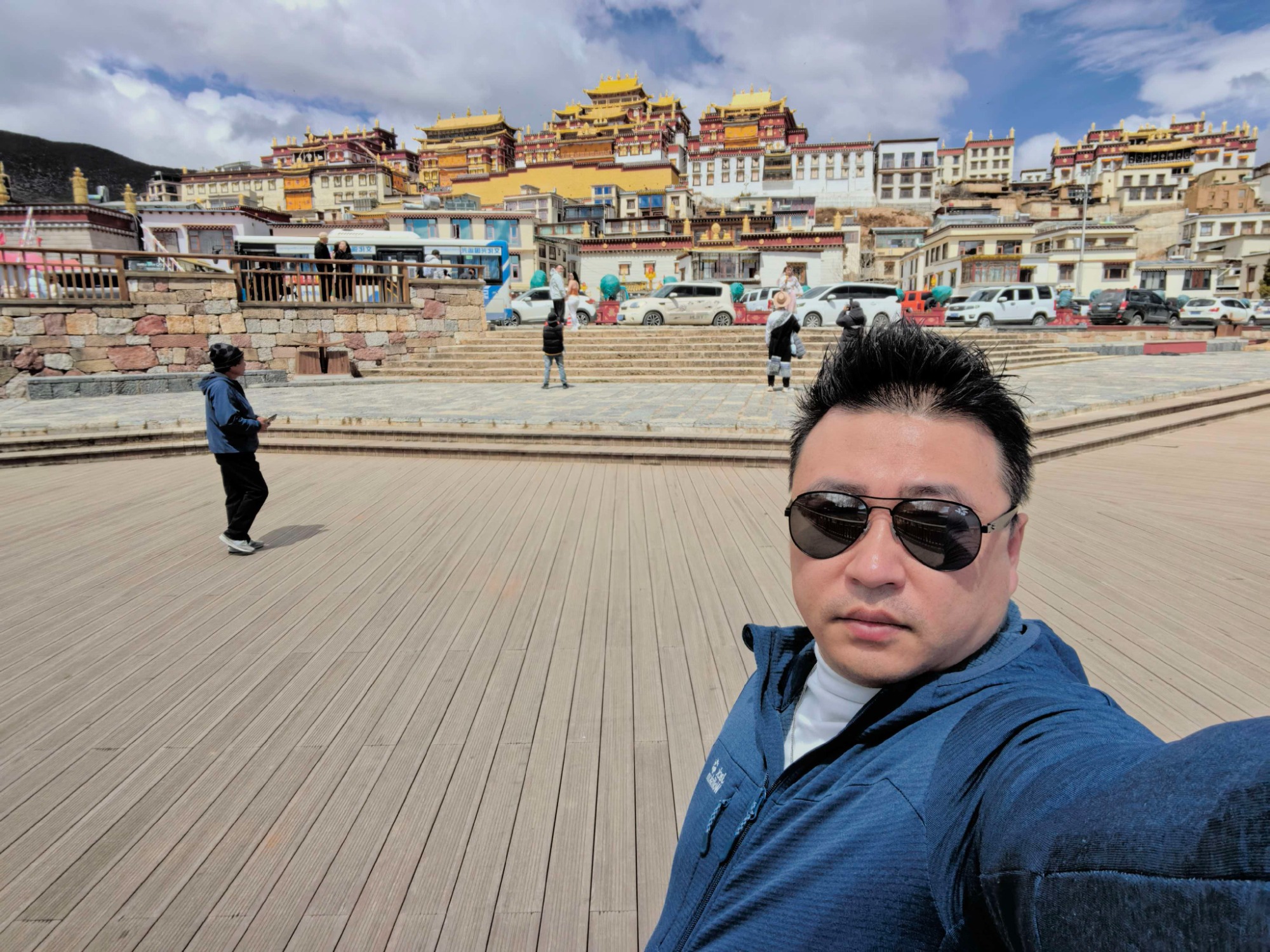
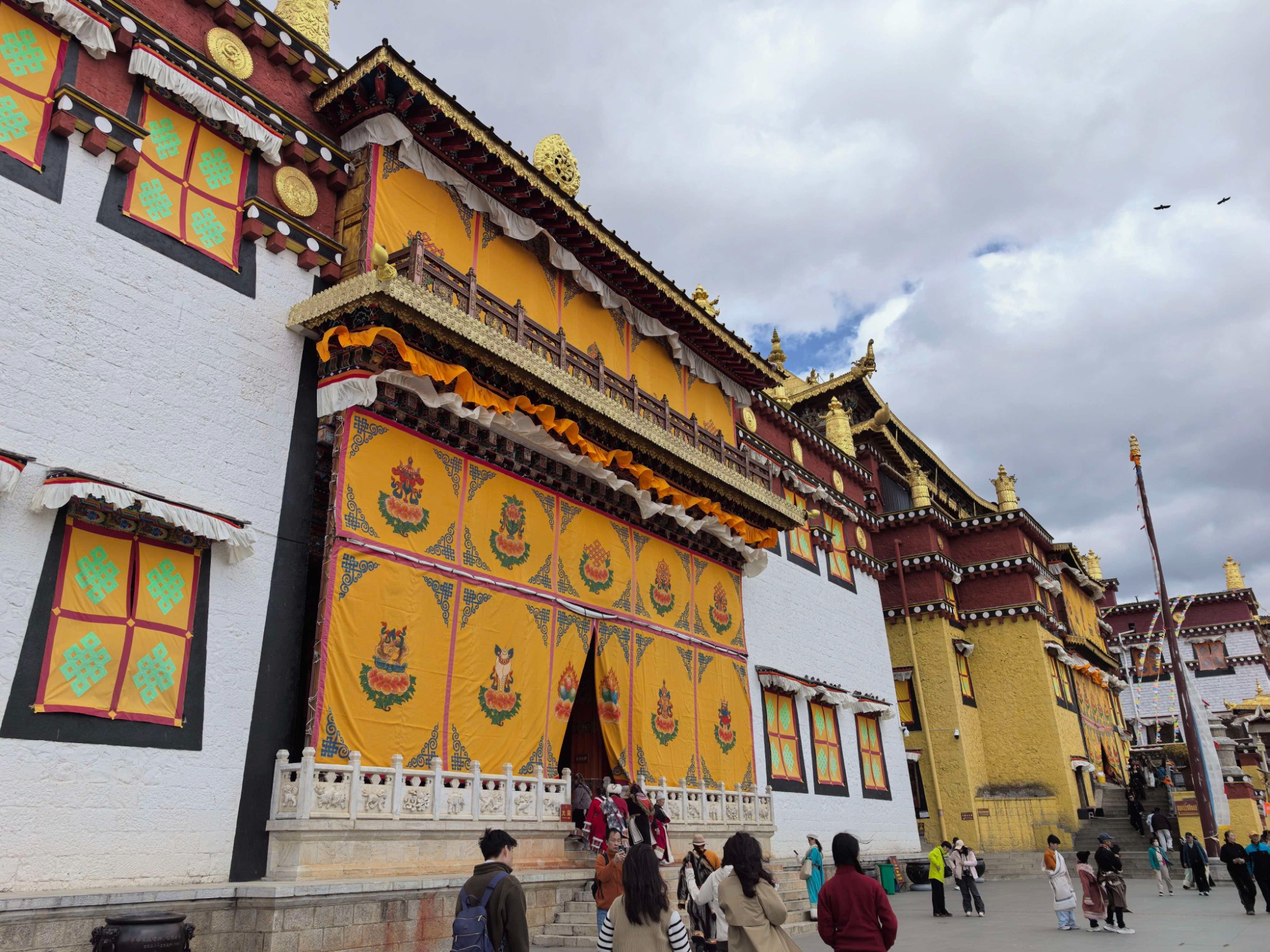
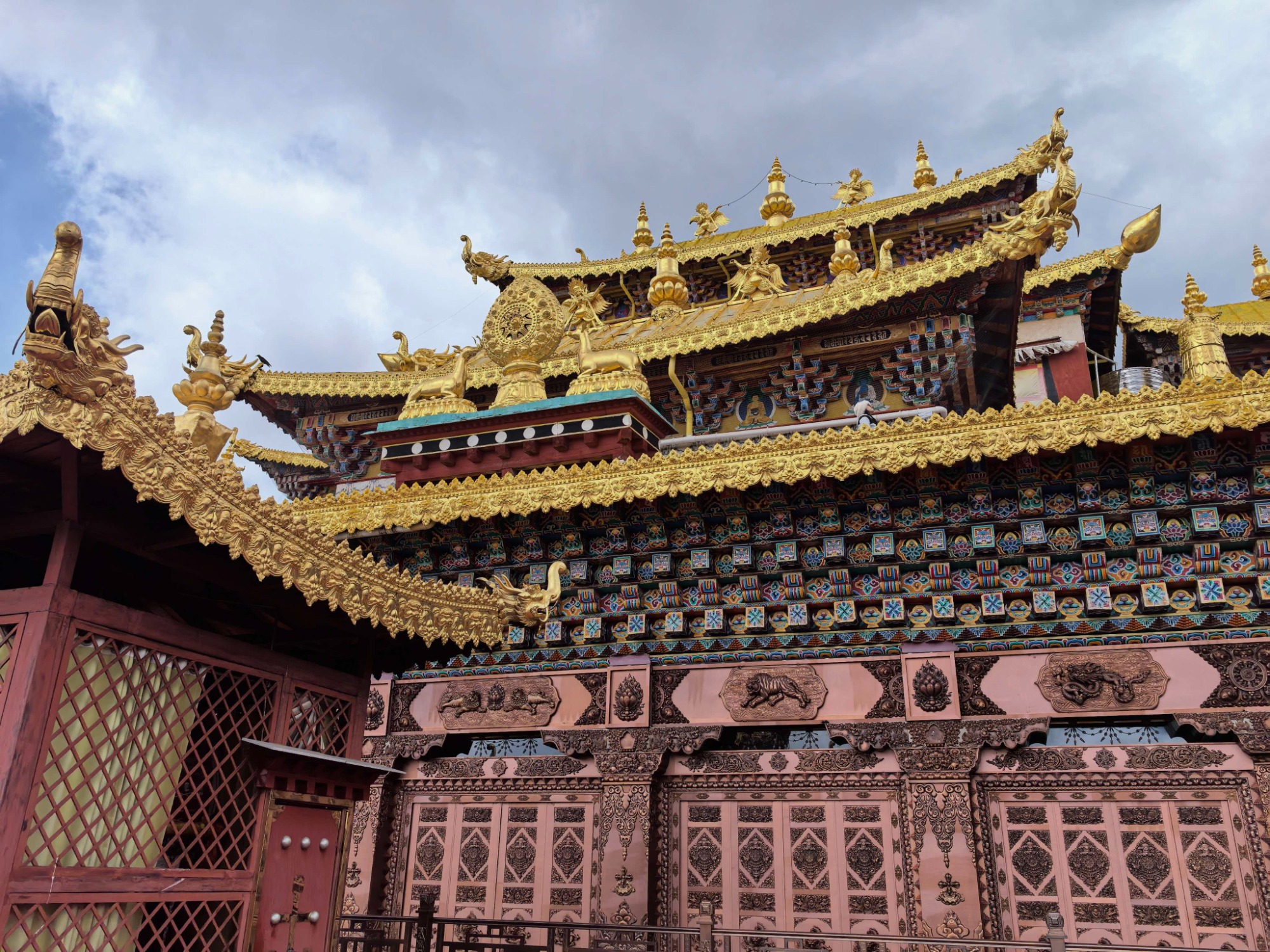
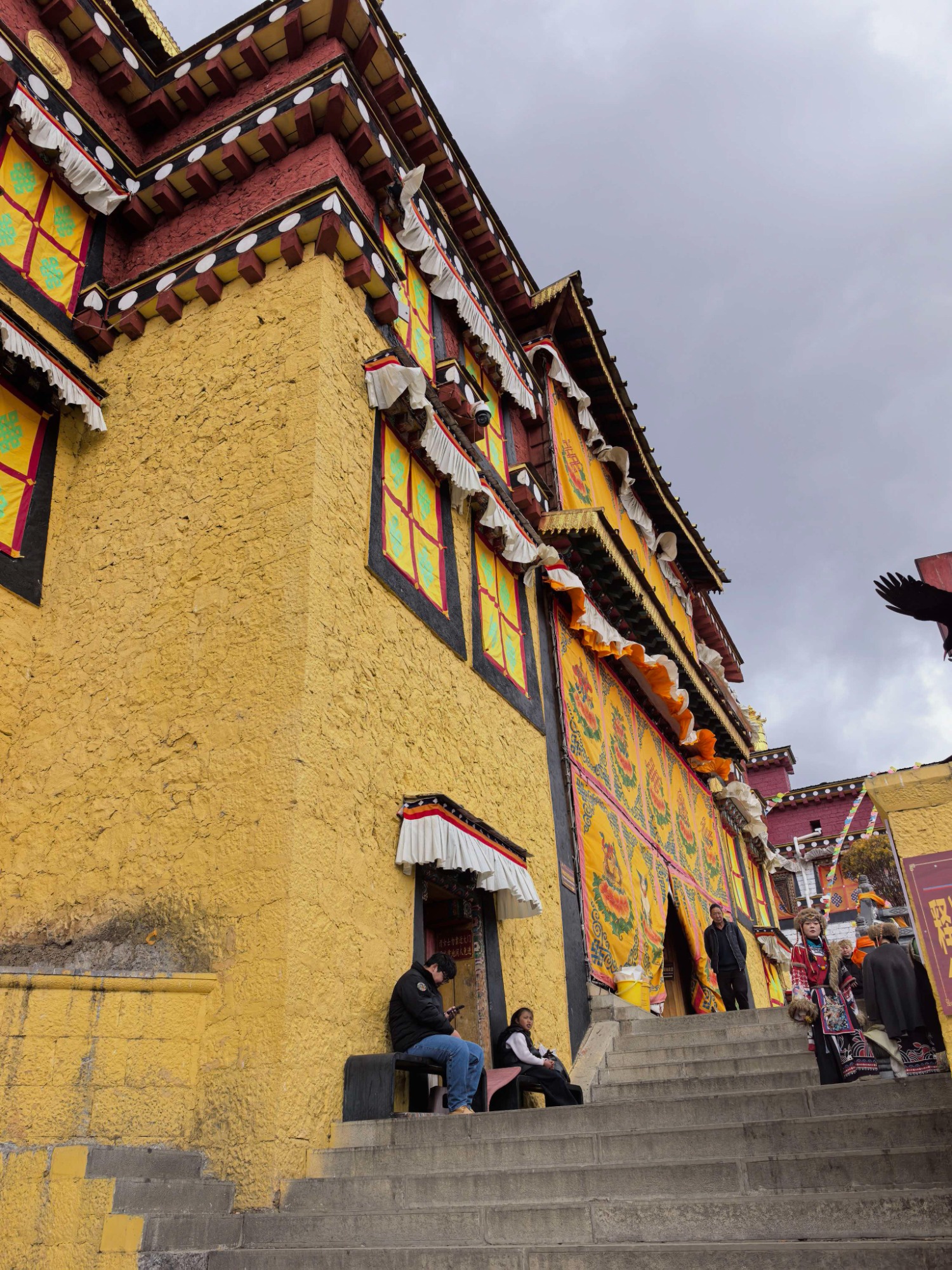
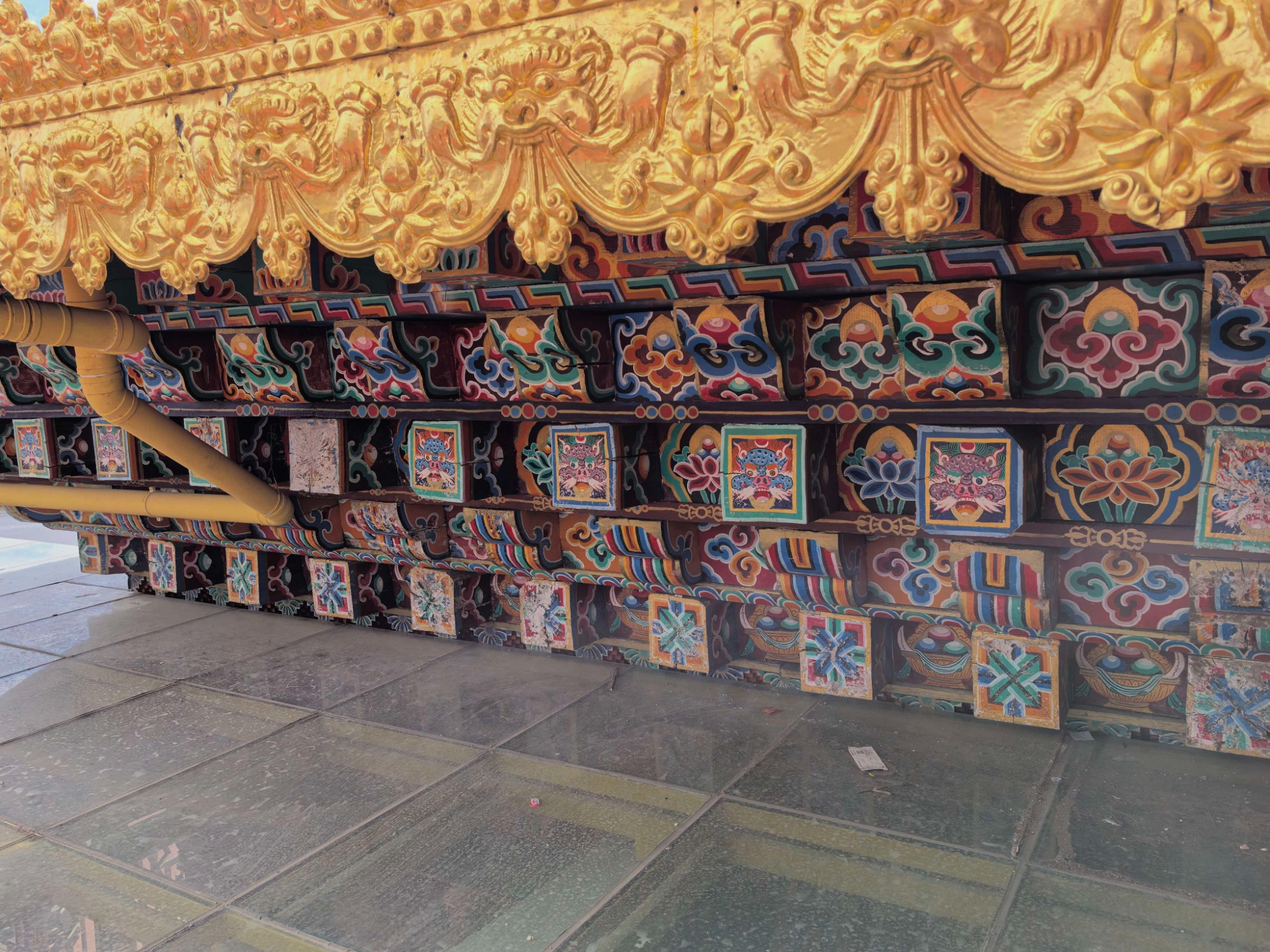
Songzanlin Monastery
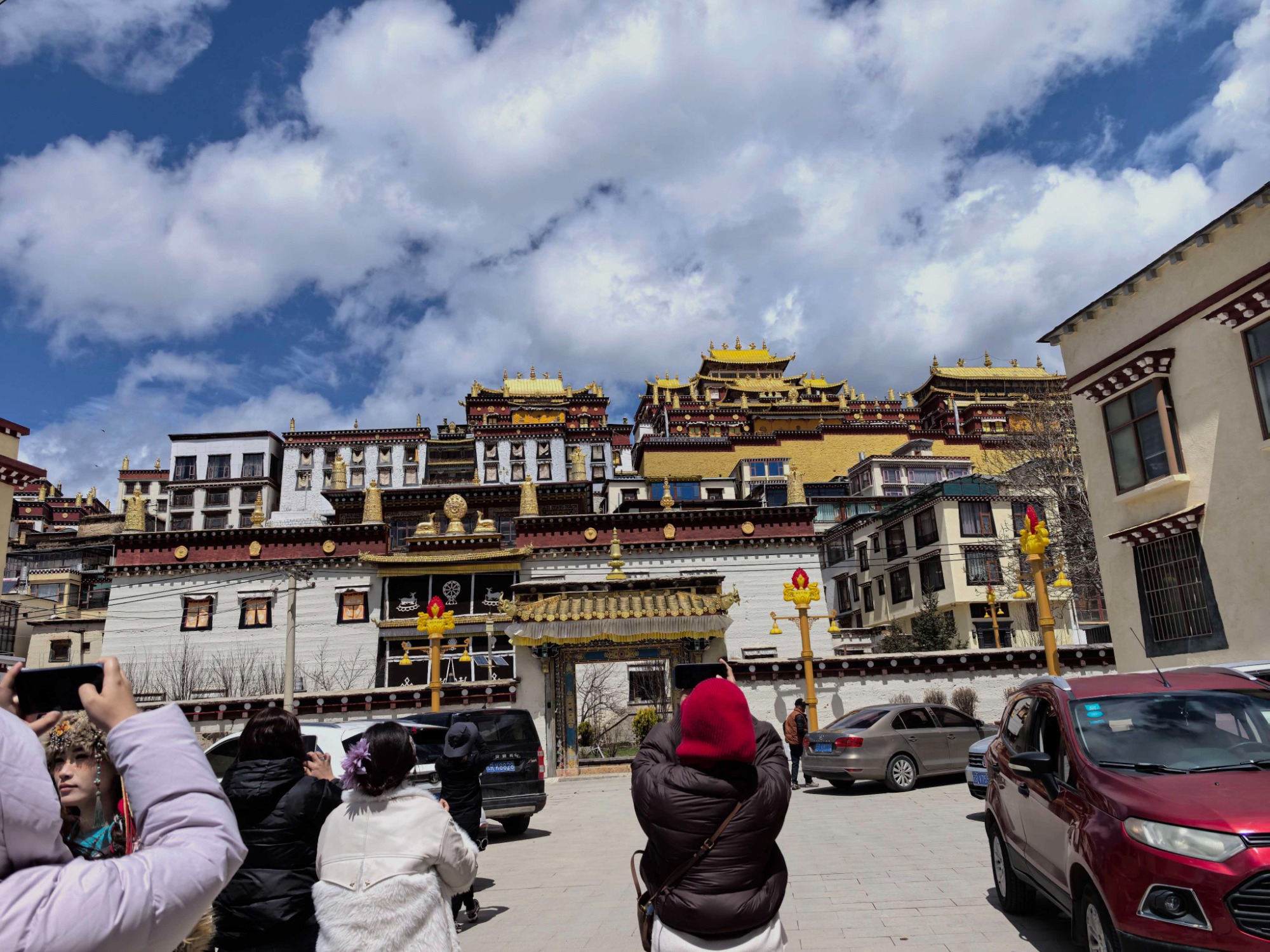
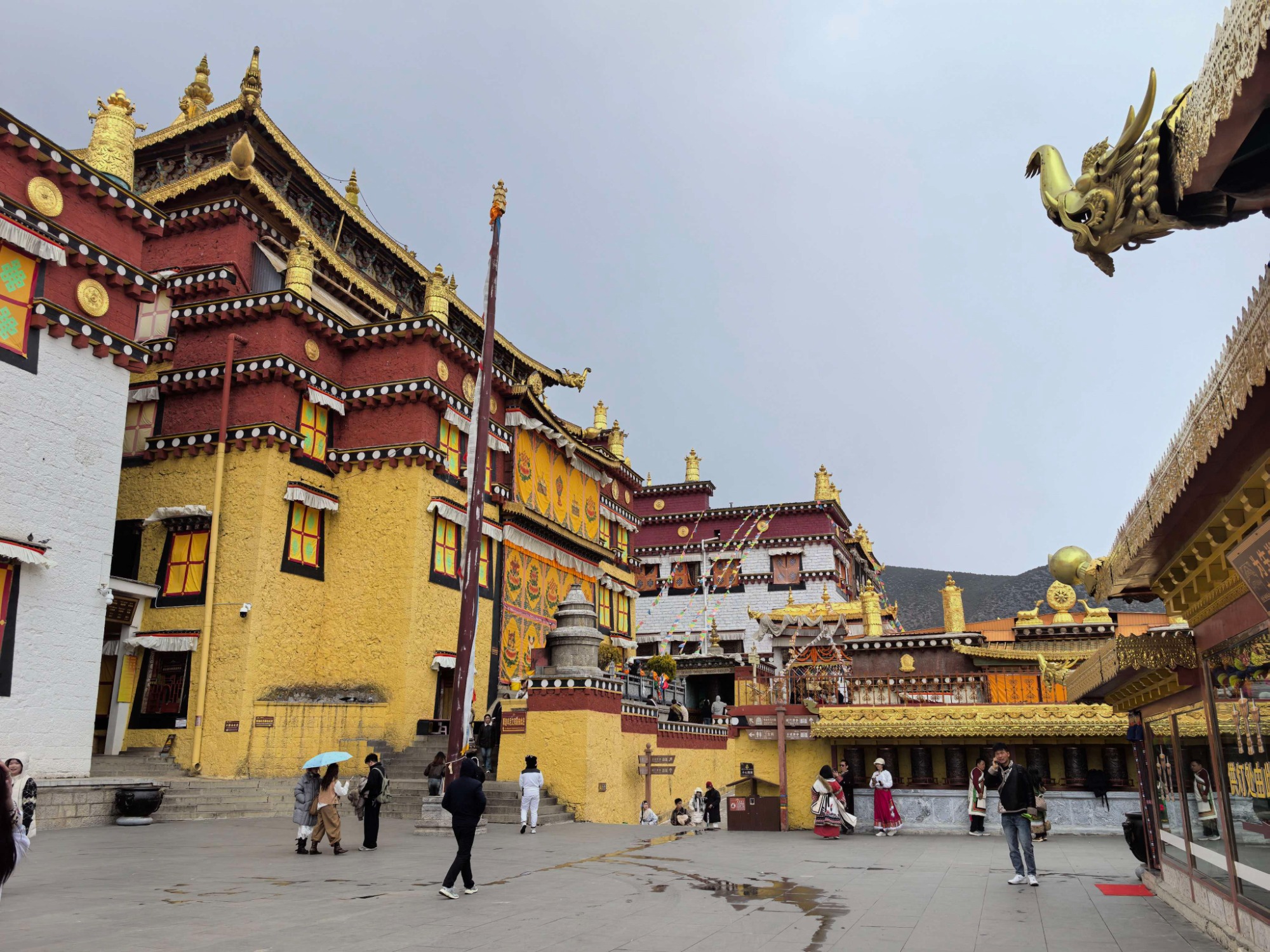
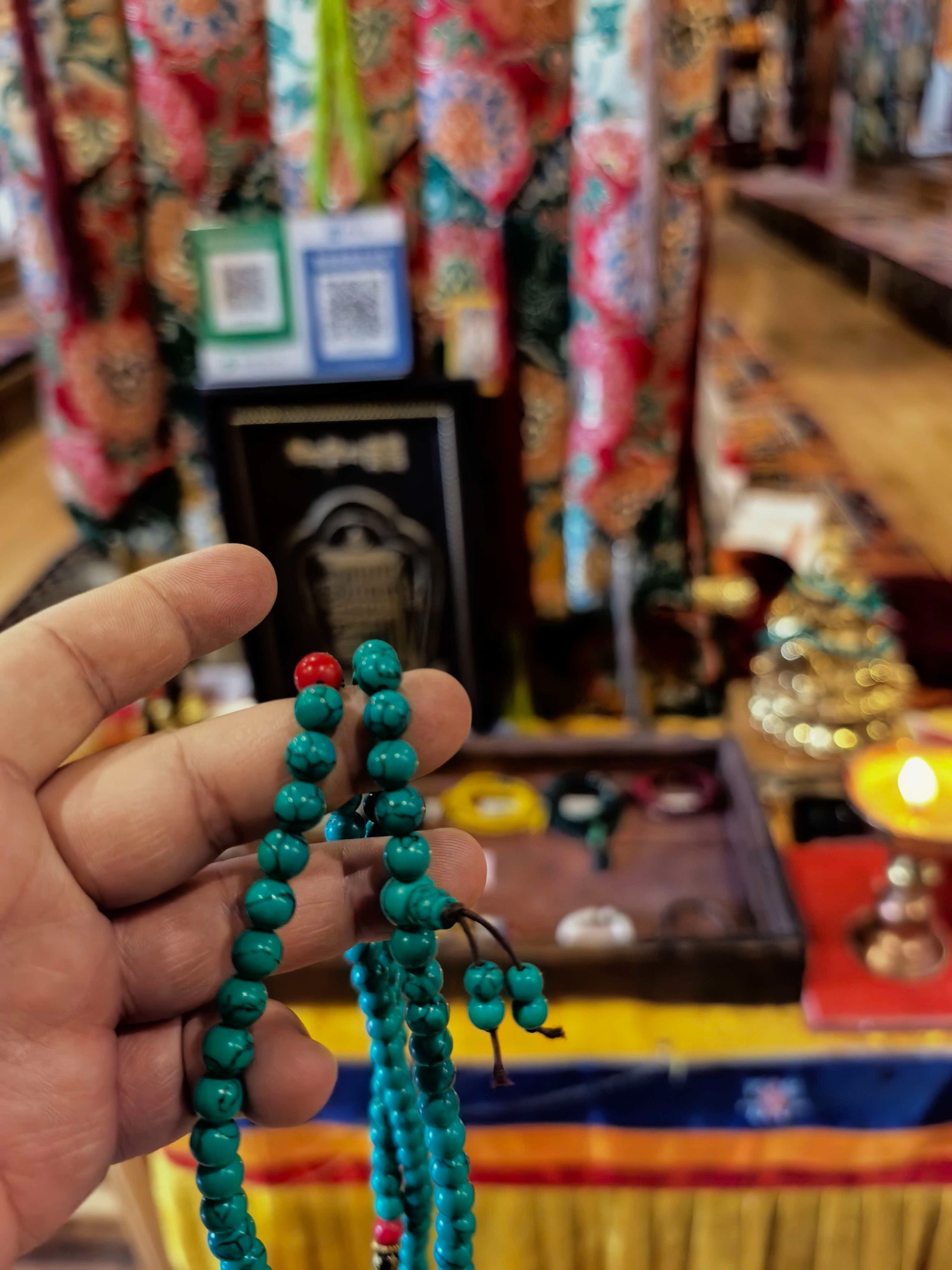
The monastery is magnificent, with creamy white and gold tones everywhere. Lamas draped in red robes chant prayers here, and local villagers donate the food for their daily meals.
Countless treasures surround the Buddha statues, with offerings also adorning the figures themselves. Yet no one would dream of stealing these valuables. Most of the statues are covered in gold leaf. For centuries, people have offered real gold and silver as an expression of their faith and devotion.
Experience Heaven on Earth
During my visits to Tibetan communities, I noticed leg swelling in many of the women over seventy whom I treated. I wondered whether traditional farming practices and the cold, high-altitude environment might have contributed, although I could not confirm the cause. In some cases, I observed a noticeable reduction in swelling after one or two acupuncture sessions, though this alone does not establish that acupuncture caused the improvement.